Copenhagen Tipping And Money Basics: What Things Cost And How To Pay
Denmark is a near-cashless country where tipping is a gesture rather than an obligation, most of the classic sights cost nothing, and the biggest line in a Copenhagen budget is usually food and drink. Here is what the verified numbers say.
Short answer
Copenhagen is expensive but unusually generous with free sights: 25 attractions verified free, museum entry typically DKK 110-150, a 24-hour Copenhagen Card DKK 589. Tipping is optional in Denmark; on free walking tours the tip is the entire price, and DKK 100-200 per person is a common gesture.
Copenhagen has a reputation as one of Europe's pricier capitals, and the reputation is fair. What the reputation hides is how much of the city costs nothing at all. The verified attraction dataset behind this site counts 42 well-known Copenhagen entities, and 25 of them are free to enter or walk through with no condition attached: Nyhavn, the Little Mermaid, Kastellet, the botanical garden grounds, Frederiksberg Gardens, Superkilen, Assistens Cemetery, the harbour baths, and more. The money question for most visitors is therefore not whether Copenhagen can be done cheaply, it is where the spending actually concentrates: restaurants, cafés, and bars, plus a handful of ticketed museums and palaces.
This guide walks through the practical money mechanics: how tipping works in Denmark, what the verified price list looks like across the paid attractions, which free-day rules trip people up, whether the Copenhagen Card earns its price, and how the pay-what-you-want walking tour scene fits into a budget. Every figure here comes from the site's verified facts file, checked against official source pages. Where a price is unresolved or contested, this guide says so plainly rather than guessing.
How Tipping Works In Denmark
Tipping in Denmark is optional, unforced, and built into a different system than most visitors expect. Service charges are not added to restaurant bills, but restaurant prices are already high and wages are not tip-dependent, so nobody will chase you for a tip. Rounding up a restaurant bill or leaving small change is a normal gesture; leaving 15-20 percent is not a Danish custom and is not expected.
The background matters for understanding why. Denmark does not have a large tipped-wage economy. Servers, bartenders, and guides are paid properly by their employers, and menu prices reflect that. A tip in Copenhagen is a thank you, not a wage subsidy. In restaurants, rounding up to the nearest convenient amount is the most common move; at a bar, telling the bartender to keep the change from a cash payment, where cash is even used, does the same job.
Card payments dominate. Many cafés and even some market stalls do not accept cash at all, so the practical tipping question often becomes whether the card terminal offers a tip prompt before you tap. Some do, some do not, and declining the prompt is socially completely fine. Nobody will look twice.
The one place tipping carries real weight is the free walking tour, and that deserves its own section below, because there the tip is not a gesture on top of a price. It is the price.
Food And Drink Prices In Copenhagen: What Shapes The Bill
Food and drink is where a Copenhagen budget is won or lost, because the verified free list covers attractions but not meals. This site's fact file records attraction prices, transit fares, and card prices, but no verified restaurant price data, so this section explains the structure of the bill honestly rather than printing invented numbers. The pattern is consistent: sit-down dining is expensive, bakery counters and hot dog stands are the classic budget levers.
Rather than quote menu prices this site has not verified, it is more useful to explain why the bill behaves the way it does. Copenhagen's restaurant cost structure reflects high wages, high rents, and a 25 percent VAT rate built into displayed prices. That last point genuinely helps visitors: the price on the menu or the shelf label is the price you pay, tax included, with no surprise added at the till. A card terminal may offer a tip prompt, but the total shown is the total owed.
The classic budget structure in the city runs from the bakery counter upward. Danish bakeries sell the morning cardamom bun or cinnamon snegl at a fraction of a sit-down breakfast, and the bakery counter is a genuine Copenhagen institution rather than a compromise. Hot dog stands, the pølsevogn, occupy the same niche for lunch. Mid-range is where costs climb quickly, and dinner with drinks at a typical restaurant is the single largest discretionary line in most visitor budgets.
Alcohol is taxed heavily and is a reliable budget accelerant, whether in a bar or on a restaurant wine list. Grocery shops, by contrast, are reasonable by regional standards, and many visitors structure their day as bakery breakfast, grocery or market lunch, and one proper dinner.
If a food-focused walk appeals as a way to learn the bakery landscape, the Spanish-language Bakery Walk Among Doughs, Cinnamon and Cardamom on GuruWalk exists on the roster, though it has no reviews yet, so there is no traveller verdict to report. The site's verified price data, meanwhile, sits firmly in the attractions and transit categories, and the next sections cover those in full.
| Cost area | What the verified data says | Budget lever |
|---|---|---|
| Restaurant dining | High; no verified menu figures on file, prices include 25 percent VAT | One sit-down meal a day, bakery or grocery for the rest |
| Alcohol | Heavily taxed, no verified figures on file | Grocery purchases over bar prices |
| Attractions | 25 verified free, 14 paid, most paid entries DKK 60-150 | Free-first sightseeing, see tables below |
| Transit | City Pass 24 hours DKK 100; single 2-zone ticket commonly cited at around DKK 24 | The centre is walkable, see transit section |
| Walking tours | All 21 pooled walks are free or pay what you want | Tip is the only cost |
Tipping On A Free Walking Tour: The One Tip That Matters
On a Copenhagen free walking tour the tip is not optional garnish, it is the guide's entire revenue from your booking. The walks cost nothing to reserve, so the honest way to budget is to treat the tip as the ticket price. This site does not publish a fixed figure because none is official; what the reviews suggest is that guests decide at the end based on the walk's quality and length.
The mechanics are simple. You book a place, usually a free reservation that costs nothing upfront, you join the group at the meeting point, and at the end the guide makes a short, direct pitch for tips in cash or increasingly by card via a terminal or a payment link. There is no hard sell beyond that pitch, and the guides on the two platforms this site covers, GuruWalk and freetour.com, are independent operators running their own walks.
How much? The sibling post on this site covers the tipping question in depth, and the honest answer is that no official scale exists. A useful frame: whatever you would have happily paid for a two or three hour guided tour in a city where tours have fixed prices, that is the number to have ready. Guides remember that some guests tip generously and some slip away, and the model survives because enough people pay fairly.
For a deeper look at how the format works end to end, read how a Copenhagen free walking tour actually runs, and for the mechanics of booking and showing up, the free tour basics and how-it-works guide covers meeting points and what to expect.
Which Copenhagen Attractions Are Free And Which Charge
The verified list splits cleanly: 25 attractions are unconditionally free, 14 charge, and 3 are conditional on specific days. Typical paid entry runs DKK 60 for the Round Tower up to DKK 150 for palace state rooms or the National Museum, with online tickets usually DKK 5-10 cheaper than the door price. The free list includes most of the postcard sights, so a first visit can be almost entirely free.
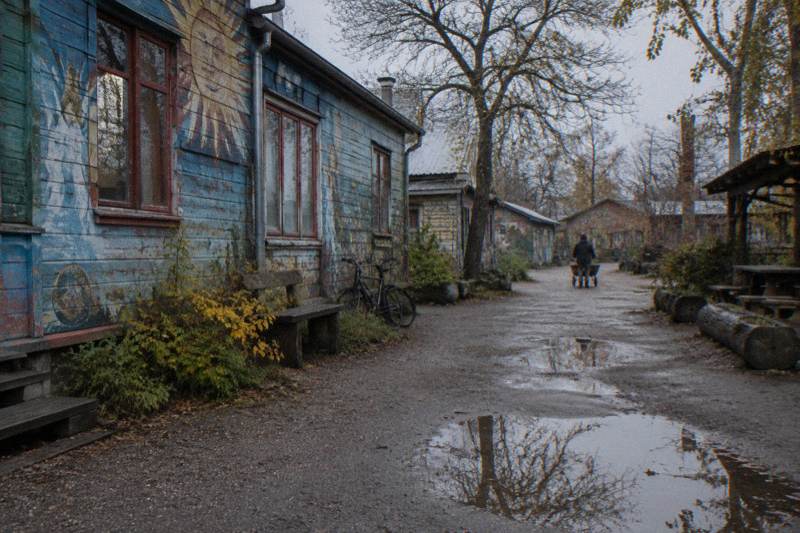
The free list is the strongest in this site's coverage area. Nyhavn, the Little Mermaid, Kastellet, the Strøget pedestrian street, Rådhuspladsen, Kongens Have, the Botanical Garden grounds, Frederiksberg Gardens, Superkilen, Assistens Cemetery, the harbour baths at Islands Brygge, Amager Strandpark, Dragør village, Refshaleøen, the Amalienborg changing of the guard viewed from outside, the Christiansborg Palace Tower viewing platform, the David Collection, the Black Diamond library building and foyer, and walking into Freetown Christiania (photo rules apply) are all verified free with no condition. Three church interiors are free too: Church of Our Saviour, Frederik's Church (Marmorkirken), and Grundtvig's Church.
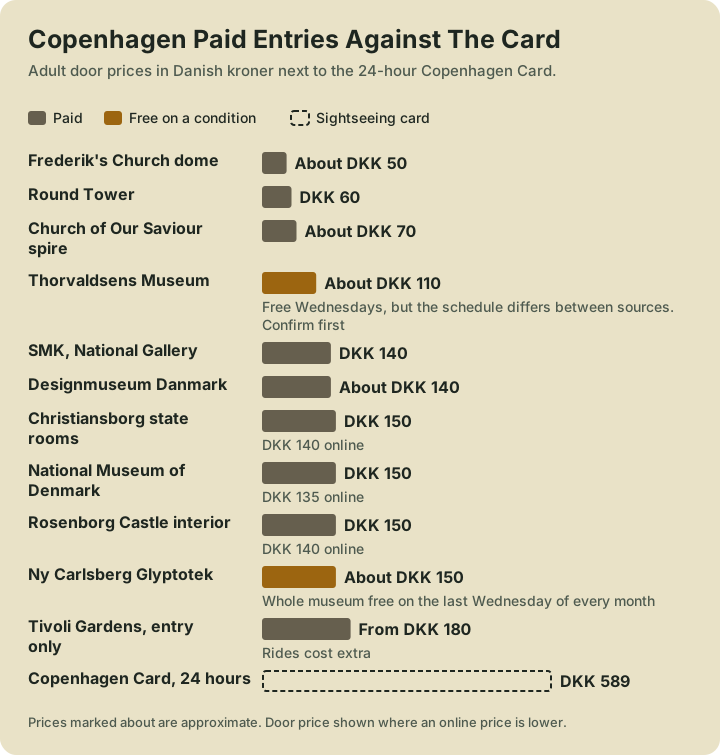
The paid list is real but concentrated. Here is what the verified facts file records:
| Attraction | Verified price | Notes |
|---|---|---|
| Round Tower (Rundetaarn) | DKK 60 adult | The tower platform, not the ramp walk |
| Christiansborg Palace state rooms | DKK 150 at door, DKK 140 online | Palace Ticket DKK 225 at door, DKK 215 online |
| National Museum of Denmark | DKK 150, DKK 135 online | |
| SMK, National Gallery of Denmark | DKK 140 | |
| Rosenborg Castle interior | DKK 150 at door, DKK 140 online | Grounds (Kongens Have) are free |
| Designmuseum Danmark | around DKK 140 | |
| Tivoli Gardens | from DKK 180 entry | Rides and food extra |
| Church of Our Saviour spire climb | around DKK 70 | Interior itself is free |
| Frederik's Church dome climb | around DKK 50 | Interior itself is free |
| Amalienborg Museum | roughly DKK 150 | Exact 2026 figure unresolved |
| Louisiana Museum (Humlebæk) | paid, exact price unresolved | Outside the city |
| Visit Carlsberg | ticketed, exact price unresolved | Walking Carlsberg Byen district is free |
| CopenHill ski slope | ticketed, exact price unresolved | Rooftop hiking trail is free |
| Cisternerne | paid, exact price unresolved |
Two structural patterns are worth internalising, because they catch out visitors who half-remember a price. First, the tower pairs: the Church of Our Saviour and Frederik's Church both have free interiors and paid climbs, so "is the church free" and "is the tower free" are different questions with different answers. Second, the district pairs: CopenHill's rooftop hiking trail is free while the ski slope is ticketed, and Carlsberg Byen is free to walk while the Visit Carlsberg brewery experience is a separate paid ticket.
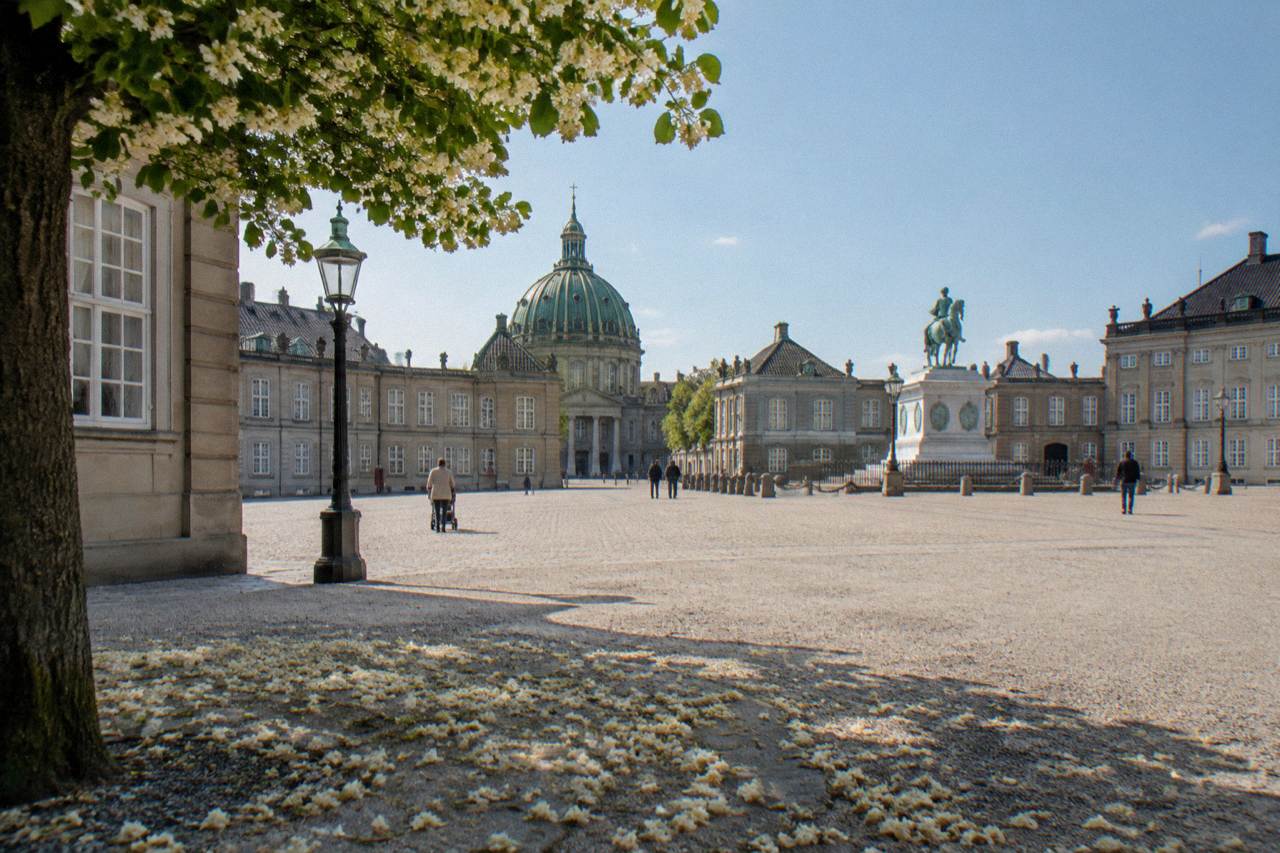
The Amalienborg pattern repeats across the roster: the changing of the guard ceremony is free to watch from the square, while the palace museum interior behind it charges. Deciding in advance which half of each pair you actually care about is the single most effective way to keep the attractions budget near zero without feeling like you missed anything.
Museum Free Days: The Rules That Trip People Up
Three Copenhagen museums have conditional free entry, and each condition must travel with the claim. The Ny Carlsberg Glyptotek is free on the last Wednesday of every month, not a fixed weekday. Thorvaldsens Museum is free on Wednesdays but its exact recurrence is contested between sources. The Botanical Garden grounds are free, while glasshouse ticketing is unresolved.
The Glyptotek rule is the one most often misquoted, because visitors import the free-day pattern from other European cities and assume a set weekday. The museum's own site says it plainly: "Sidste onsdag i hver maaned er der gratis entre til hele museet", the last Wednesday of every month there is free entry to the whole museum. Paid entry most days is around DKK 150, so a last-Wednesday visit saves a real amount. The claim and its condition are inseparable: the Glyptotek is never simply "free", it is free on the last Wednesday of the month, per the museum's own entry page.
Thorvaldsens Museum is the honest problem case. Sources agree it is free on Wednesdays and paid most days at around DKK 110, but they disagree on whether the free Wednesday is weekly or only the last Wednesday of the month, following a reported city council funding change. This site records the schedule as contested rather than picking a side. If a Wednesday visit is central to your plan, confirm the current schedule directly before you go.
| Museum | Most days | Free rule | Confidence |
|---|---|---|---|
| Ny Carlsberg Glyptotek | around DKK 150 | Free to the whole museum on the last Wednesday of every month | Verified against the museum's own page |
| Thorvaldsens Museum | around DKK 110 | Free on Wednesdays; weekly vs. last-of-month recurrence contested | Flagged contested, confirm directly |
| Botanical Garden greenhouses | Grounds free | Glasshouse ticketing on some days, exact rule unresolved | Write-around, check on site |
The Botanical Garden case is a write-around rather than a rule: the outdoor grounds are verified free, and the historic glasshouses, including the Palm House, may carry separate ticketing on some days. The site's fact file records that as unresolved after two research passes, which means the honest advice is to enjoy the grounds freely and check the glasshouse desk on arrival rather than assuming either way.
For the wider free-museum landscape beyond these three, the free museums in Copenhagen guide lists the unconditionally free options, including the David Collection, which charges nothing on any day of the month.
Is The Copenhagen Card Worth It For A Free-First Trip?
The Copenhagen Card is a paid product: DKK 589 for 24 hours and DKK 859 for 48 hours at adult rate, per the official pricing page. Nothing on this site is "free with the Copenhagen Card", because the card itself costs more than most single attraction tickets. It only pays off when a day is deliberately stacked with the expensive indoor sights, and a free-first itinerary usually beats it.
The arithmetic is straightforward with the verified numbers. A 24-hour card at DKK 589 covers more than the DKK 150 Christiansborg state rooms, the DKK 150 National Museum, the DKK 140 SMK, and a DKK 60 Round Tower combined, roughly DKK 500 at door prices, before counting any transit it includes. So the card needs a dense, ticket-heavy schedule to break even. A visitor following the free list instead, harbour baths, Kastellet, the mermaid, the gardens, the changing of the guard, spends close to nothing on sights and needs no card at all. The official prices are published on the card's own pricing page.
The card is a good product for a specific kind of traveller: someone with one or two days, bad weather, and a genuine appetite for four or five paid interiors in a row. It is a poor product for the itinerary this site builds, which leans on the 25 verified free attractions and the pay-what-you-want walking tours. The full comparison, including the transit component and the break-even scenarios, is worked through in the Copenhagen Card worth-it guide.
Getting Around: Transit Fares And The Walkable Centre
A 24-hour City Pass costs DKK 100, per the official public transport fare site, and a single 2-zone ticket is commonly cited at around DKK 24, though that figure comes from a secondary source rather than the transit authority's own page. The practical point is simpler: the Copenhagen centre is compact, and most of the free list is reachable on foot from anywhere in Indre By.
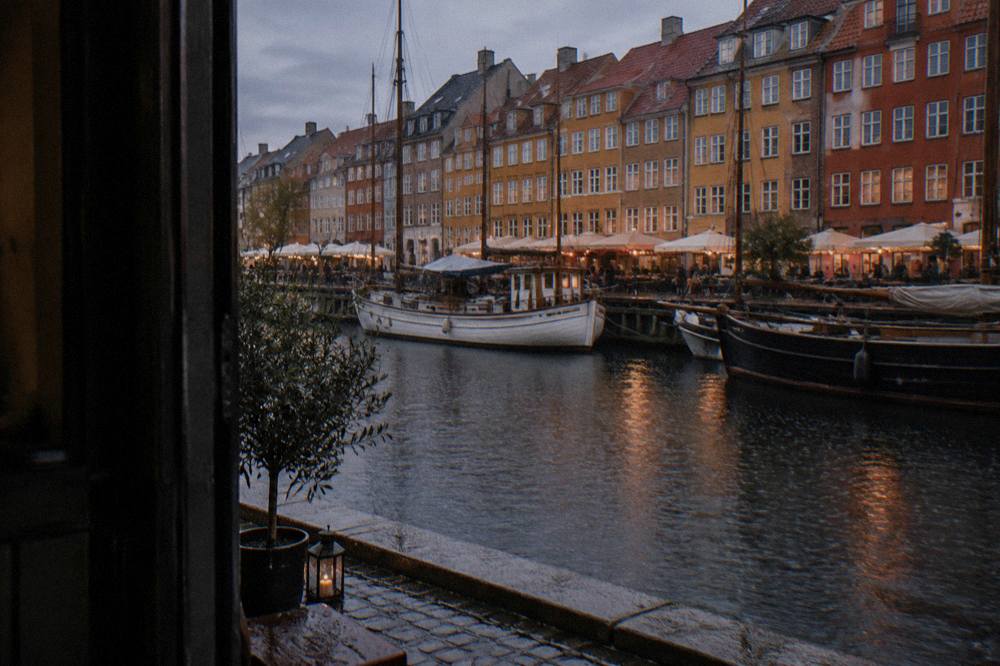
The centre's geography is what makes the transit budget small. City Hall, Tivoli's gates, the Strøget, Kongens Nytorv, Nyhavn, Christiansborg, and Amalienborg all sit within a walkable band, and the harbour bath at Islands Brygge is a short hop across the bridge from Christianshavn. Visitors staying in Indre By or Vesterbro can genuinely spend a full day without a ticket. The two figures worth knowing are the DKK 100 City Pass, verified via the official public transport information site, and the single-ticket figure, which should be treated as approximate for the reason above. The full network, zone system, and ticketing walkthrough lives in the Copenhagen public transport basics guide.
Payment on buses and at metro gates is card-first, consistent with the rest of the country. The same near-cashless rule that shapes tipping shapes transit: plan for tap-to-pay, and do not count on paying cash anywhere in the system.
Neighbourhood Walks That Cost Nothing Up Front
The site's roster ships 21 pooled free or pay-what-you-want walks across GuruWalk and freetour.com, and nine of them are featured picks. In Indre By the strongest English-language options are the Grand Tour, rated 4.82 out of 5 across 2,538 GuruWalk reviews, and the Historic Center Walk with a recommendations map, rated 4.84 out of 5 across 1,421 GuruWalk reviews. Every one of them costs nothing until you tip at the end.
For a money guide, the free walking tour is the single best value on the menu, because it converts the most expensive travel category, a professional guided experience, into a pay-what-you-want product. The Grand Tour, English and Spanish, runs two and a half hours from Rådhuspladsen outside City Hall and is the roster's flagship for first-time visitors, rated 4.82 out of 5 across 2,538 GuruWalk reviews. The Historic Center Walk, rated 4.84 out of 5 across 1,421 GuruWalk reviews, adds a recommendations map to the same central ground. And the Nordic Freedom Tours City Walk, rated 4.46 out of 5 across 24 GuruWalk reviews, is the budget-contrast option: a shorter, smaller operation that costs the same nothing up front.
The neighbourhood angle matters for planning, because each walk doubles as a free orientation to a district you can then explore yourself. In Indre By, the Comedy Walk in English meets at Gammel Strand and turns the city centre's history into a stand-up-inflected two hours, rated 4.82 out of 5 across 1,863 GuruWalk reviews, a format contrast to the straight historical walks at the same tip-based price.
The 3-Hour Hygge Experience takes the same pay-what-you-want model and points it at Danish culture rather than chronology, rated 4.66 out of 5 across 2,132 GuruWalk reviews on GuruWalk, running three hours from the City Hall meeting point and covering the hygge concept that visitors otherwise only meet in cafés and candle shops. It is the closest thing on the roster to a cultural money lesson: the walk explains the local way of living that produces both the world-class bakeries and the high restaurant prices.
Beyond Indre By, the roster spreads across Vesterbro and Christianshavn, and those walks carry the same tip-only economics. The Working-Class Vesterbro walk, rated 4.81 out of 5 across 27 GuruWalk reviews, covers the former red-light district's industrial past from the Central Station meeting point, and the Politically Incorrect Hippies Walk in Christianshavn, rated 4.74 out of 5 across 393 GuruWalk reviews, runs 90 minutes from Havnegade. The full district-by-district breakdown, including the Spanish and Italian language options, is in the free walking tours by neighbourhood guide.
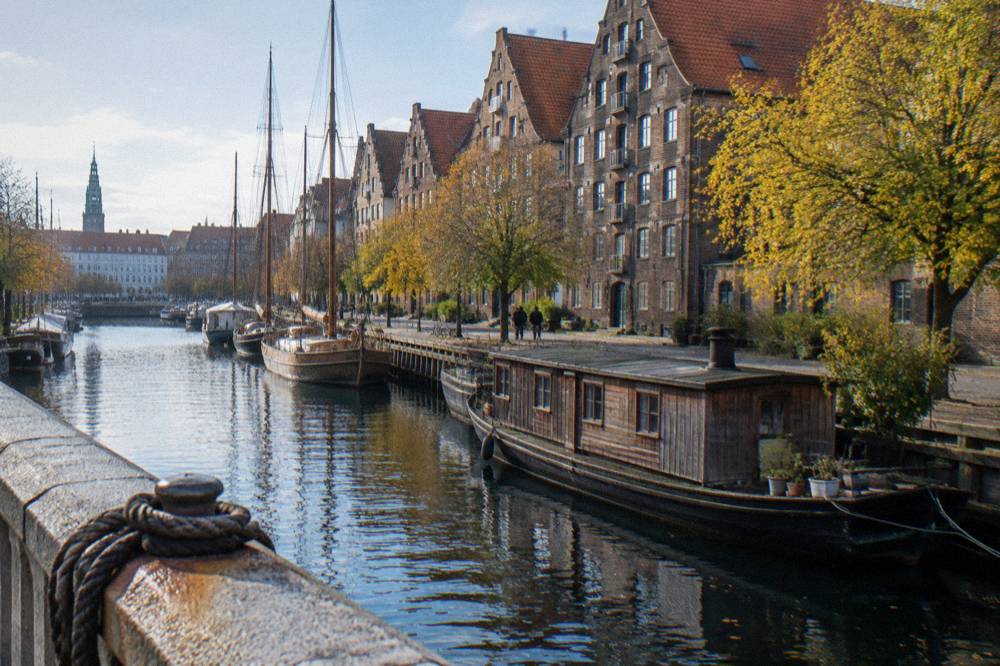
A Sample Free-First Day, Priced Honestly
A full Copenhagen day built from the verified free list can cost close to zero in attraction spending: a morning free walking tour with a tip as the only outlay, the free harbour bath or gardens in the afternoon, and a bakery-counter lunch. The honest total for one person is the tip, food, and a transit pass if the day crosses zones, with every sight on the list at DKK 0.
Here is how the pieces fit. Start at Rådhuspladsen with a morning walk, budget the tip as the tour's price. Spend the midday in the free quarter of the paid pairs: Kongens Have rather than Rosenborg's interior, the Church of Our Saviour's interior rather than the spire, the Black Diamond's foyer rather than a ticketed museum. If the day is the last Wednesday of the month, the Glyptotek is the exception that costs nothing. Cross to Islands Brygge for the harbour bath in the afternoon, which is free, and finish in Nyhavn, also free, where the spending temptation is purely liquid.
The structure works because Copenhagen's paid attractions cluster into a few expensive interiors while its public realm, squares, harbours, gardens, cemeteries, and beaches, is almost entirely open. The budget traveller's real discipline in this city is not finding free things, it is resisting the paid upgrades that sit right next to them, and the spire-and-dome climbs are the classic example.
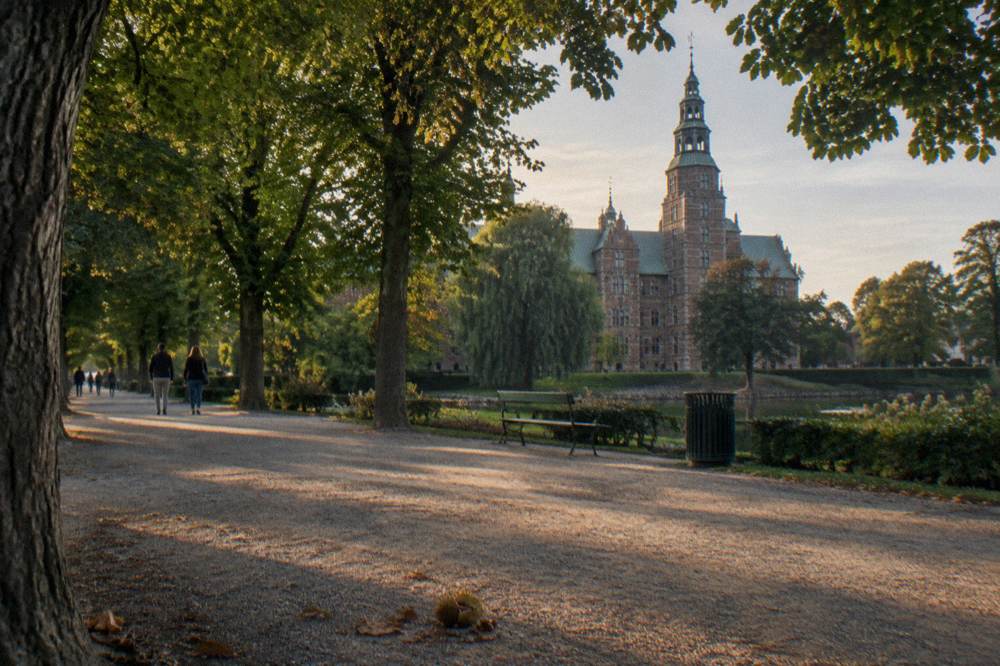
Cash, Cards, And Payment Habits In Denmark
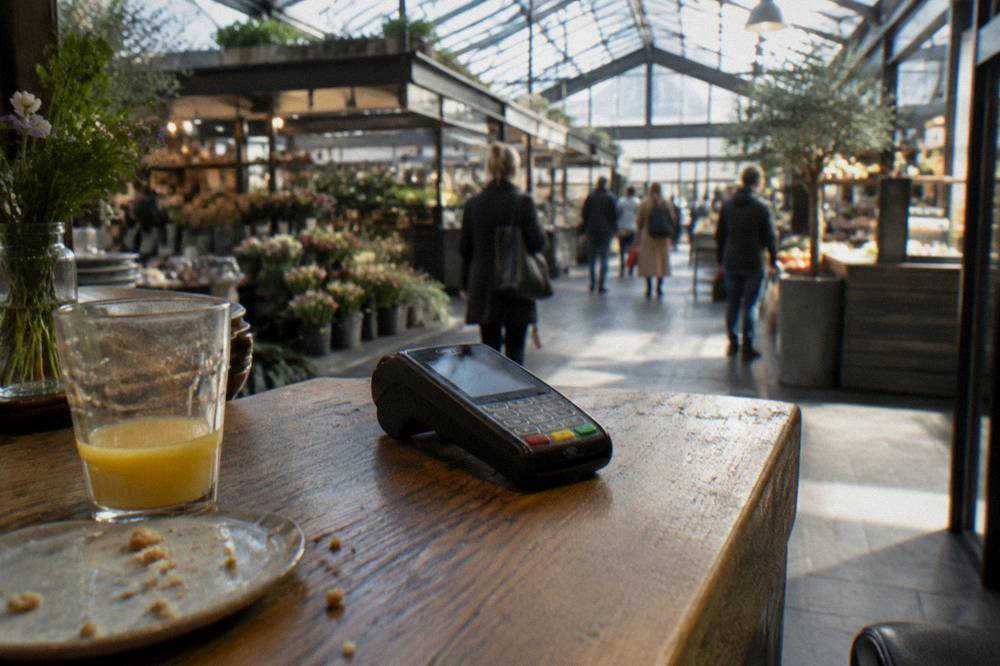
Denmark is one of the most card-first countries in Europe, and many Copenhagen businesses do not take cash at all. A contactless card or a phone wallet covers restaurants, shops, transit, and the tip terminals that free-tour guides carry. Cash is a backup for the tip moment only, and even that is increasingly card-solved.
The practical consequences for a visitor are small but worth knowing. First, there is no need to withdraw krone on arrival for daily spending, because the refusal rate at cafés and stalls is real. Second, the tip moment on a free walking tour is the one place cash used to matter, and the guides have adapted: most carry card terminals or payment links, so a tap closes the transaction the same way it does everywhere else. Third, prices displayed are prices paid: Danish consumer practice includes VAT in the shelf and menu price, so the number you see is the number that leaves your account, with no tax added at the till.
For the money-specific etiquette, including what to do when a card terminal offers a tip prompt and how the free-tour tip moment actually plays out, the site's dedicated tipping guide for free walking tours covers the question in detail, and the shared-tip question for couples has its own honest answer in whether two people can share one tip.
Putting The Budget Together Across The Neighbourhoods
A realistic Copenhagen budget splits into a near-zero sightseeing layer, a food-and-drink layer you control entirely, and a small fixed layer for transit and any paid interiors you genuinely want. Across Indre By, Vesterbro, and Christianshavn the free walking tours, one in each district, plus the free attractions can fill three days before a single attraction ticket is needed.
The three matched neighbourhoods each carry a distinct money profile. Indre By holds the expensive museum cluster and the free public realm in equal measure, so it rewards the most discipline. Vesterbro trades the palace interiors for a grittier, cheaper street life, and its walk, rated 4.81 out of 5 across 27 GuruWalk reviews, is the roster's smallest review pool among the featured picks, a fact worth stating plainly rather than dressing up. Christianshavn and Christiania are nearly all free, with the photo rules inside Christiania the main thing to know before walking in.
The strongest remaining English-language picks across the roster show how deep the free layer runs: the Royal Highlights Walk, rated 9.5 out of 10 across 6,894 freetour.com reviews, and the Renaissance Era City Walk, rated 9.5 out of 10 across 11,288 freetour.com reviews, are both freetour.com exclusives that cost nothing up front, and the Vesterbro and Christianshavn walks above cover the other two districts. Note the scales: freetour.com rates out of 10 and GuruWalk out of 5, and the two are never directly comparable.
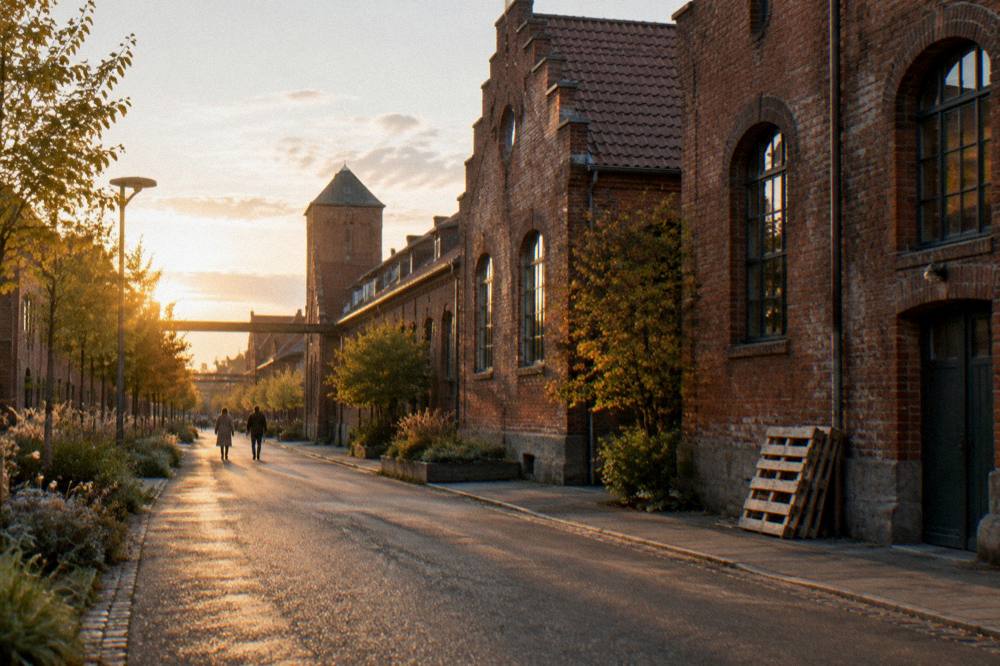
The final framing for a money planner: Copenhagen's costs are front-loaded into choices, not into the city itself. Choose the bakery over the brunch restaurant, the free interior over the paid climb, the last Wednesday over a random Tuesday at the Glyptotek, and the walking tour tip as your guided-experience budget, and the city's expensive reputation becomes a manageable one. Free Things To Do In Copenhagen exists precisely because that choice set is unusually rich here: 25 verified free attractions and 21 pay-what-you-want walks is a deeper free layer than most European capitals offer.
Common Questions About Copenhagen Tipping And Money
Do You Need To Tip In Copenhagen Restaurants?
No. Tipping in Denmark is a gesture, not an obligation, and service staff are paid properly without it. Rounding up the bill or leaving small change is normal and appreciated; a fixed percentage tip is not a Danish custom. Card terminals may offer a tip prompt, and declining it is completely acceptable.
How Much Should You Tip On A Free Walking Tour In Copenhagen?
There is no official scale, and this site does not publish a fixed figure. The honest frame is to decide what a two or three hour guided walk would be worth to you at fixed prices elsewhere and have that ready in cash or by card at the end. The tip is the guide's entire revenue from your booking, so treating it as the ticket price is the fair way to budget.
Is The Copenhagen Card Free?
No. The Copenhagen Card is a paid product, DKK 589 for 24 hours and DKK 859 for 48 hours at adult rate. Nothing on this site is described as free with the card, because the card costs more than any single attraction ticket on the verified list. It only pays off with a deliberately dense schedule of paid interiors.
Which Copenhagen Museums Are Free?
The David Collection is free unconditionally. The Ny Carlsberg Glyptotek is free on the last Wednesday of every month, not a fixed weekday. Thorvaldsens Museum is free on Wednesdays, though its exact recurrence is contested between sources, so confirm before planning around it. The Royal Danish Library's Black Diamond building and foyer is free to enter.
Can You Visit Copenhagen Without Cash?
Yes, comfortably. Denmark is one of the most card-first countries in Europe, many businesses refuse cash entirely, and even free-tour guides carry card terminals or payment links for tips. A contactless card or phone wallet covers essentially every payment a visitor will make.
Are The Church Towers In Copenhagen Free To Climb?
The interiors are free, the climbs are not. The Church of Our Saviour's interior is free with the spire climb at around DKK 70, and Frederik's Church's interior is free with the dome climb at around DKK 50. Each pair is two separate facts, so check which half you actually want before joining the queue.