Free Museums In Copenhagen: What Is Genuinely Free And What Is Not
Copenhagen has genuinely free museums, museums that are free only on certain days, and famous museums that are firmly paid. Here is which is which, with the condition stated every time.
Short answer
Copenhagen's genuinely free museums include the David Collection and the Royal Danish Library's Black Diamond foyer. The Ny Carlsberg Glyptotek is paid most days at around DKK 150 but free on the last Wednesday of every month. The National Museum of Denmark charges DKK 150 at the door, DKK 135 online. Every claim below carries its condition.
Copenhagen rewards visitors who read the fine print. The city holds a small set of museums that cost nothing at all, a second set that drops its ticket price to zero on one particular day of the month, and a third set, the famous ones, that charge full price every single day. The trap for travellers is that the three groups get blurred together in most online roundups, so people arrive at the National Museum of Denmark expecting a free museum and find a DKK 150 ticket desk.
This guide separates them properly. Every museum below is listed with its condition in the same sentence, because a "free museum" claim without its condition is the single most common piece of bad Copenhagen travel advice on the internet. The verified figures come from the museums' own published prices, checked against official sources, and where a figure could not be confirmed it says so plainly rather than guessing.
There is also a bonus category that most museum lists ignore entirely: the buildings Copenhagen lets you walk into for nothing. Churches with interiors more striking than many galleries, a royal library foyer, a palace tower viewing platform. If your definition of a museum is "a place that shows you something remarkable and lets you look at it," Copenhagen's free tier is bigger than the ticketed museum count suggests.
Which Museums In Copenhagen Are Genuinely Free?
Two Copenhagen museums charge nothing at all on any day: the David Collection, a museum of Danish golden age painting and Islamic art in a quiet townhouse near the King's Garden, and the Royal Danish Library's Black Diamond building, whose foyer and harbour-facing reading rooms are open to walk into. Beyond those, the honest free tier is made up of buildings rather than collections, and that distinction shapes every recommendation below.
The David Collection is the standout. Founded by the lawyer and collector C. L. David and housed in his family's property on Kronprinsessegade, it holds one of Europe's more respected collections of Islamic art alongside Danish and European painting from the golden age. Entry is free, and the museum's own position is that public access to the collection is part of its founding purpose. For a visitor, that means a museum of genuine exhibition quality, in the heart of the old town, with no ticket desk at all.
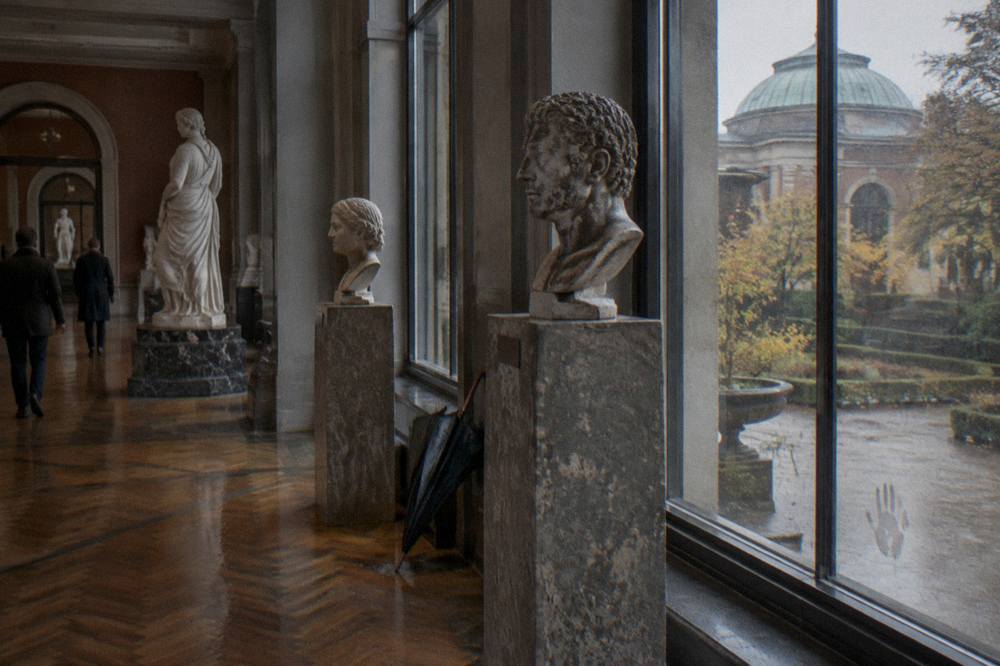
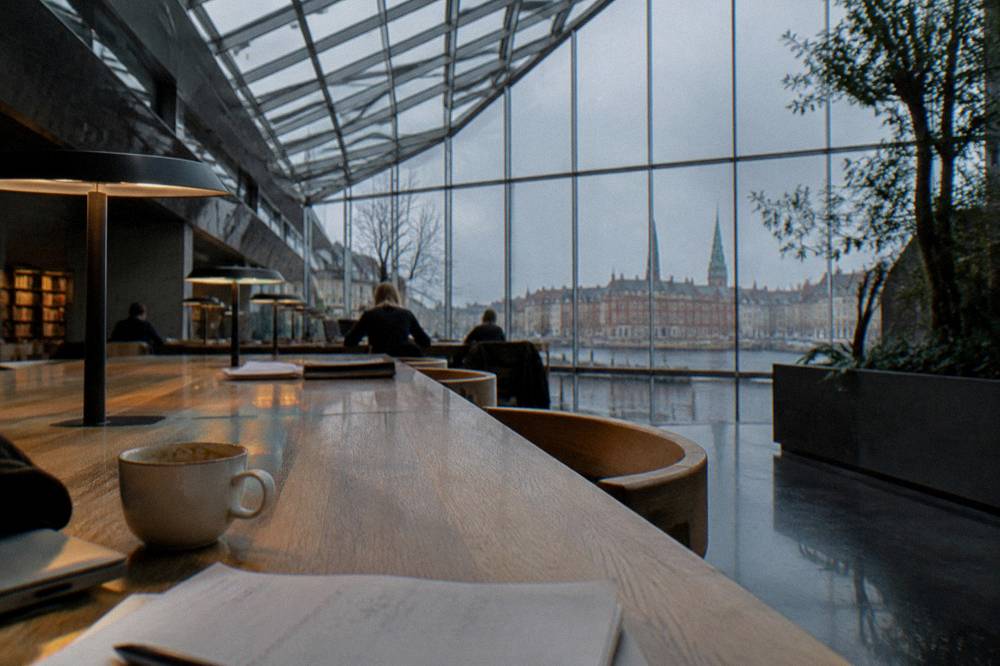
The Black Diamond, the Royal Danish Library's waterfront building on Christians Brygge, is the other true freebie. The building itself is the exhibit: a black granite-clad slab tilted over the harbour, with a vast atrium, a café, and views across the water to Christianshavn. Walking in costs nothing. It functions less like a conventional museum and more like a piece of civic architecture the city leaves open, and on a rainy afternoon it is one of the best free interiors in Copenhagen.
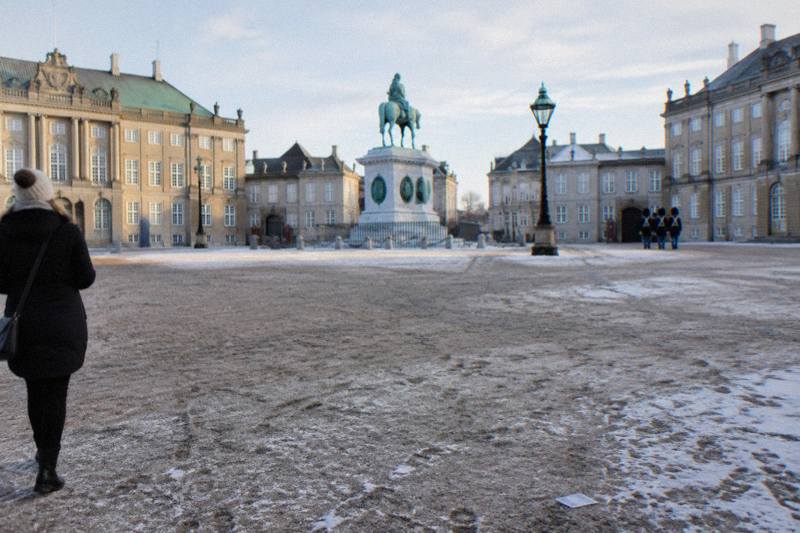
Around those two, the free tier widens if you count buildings that museum-ify themselves. The Christiansborg Palace Tower viewing platform is free, and it is the highest publicly accessible point in the city centre. Amalienborg's changing of the guard is free to watch. Freetown Christiania is free to walk through, with photo rules in force. None of these are museums in the ticketed sense, but each delivers the thing people actually visit museums for: a look at something you cannot see anywhere else. If you want the full picture of what costs nothing in the city, our guide to Copenhagen's free viewpoints covers the towers and platforms, and the free walking tours in Copenhagen guide covers the guided side.
| Free museum or venue | What you see | Condition |
|---|---|---|
| The David Collection | Islamic art, Danish golden age painting, fine decorative arts | Free every day |
| Black Diamond (Royal Danish Library) | Building, atrium, foyer, harbour views | Free to enter the public areas |
| Christiansborg Palace Tower | Viewing platform, the highest in the city centre | Free, subject to opening hours |
| Amalienborg changing of the guard | Daily royal guard ceremony in the palace square | Free to watch |
Which Copenhagen Museums Are Free Only On Certain Days?
The Ny Carlsberg Glyptotek is paid most days at around DKK 150 but opens its entire museum free on the last Wednesday of every month, a policy stated on its own website. Thorvaldsens Museum also runs free Wednesdays, but sources conflict on whether that is every Wednesday or the last Wednesday of the month, so confirm on the museum's own page before planning around it. No other major Copenhagen museum runs a monthly free day.
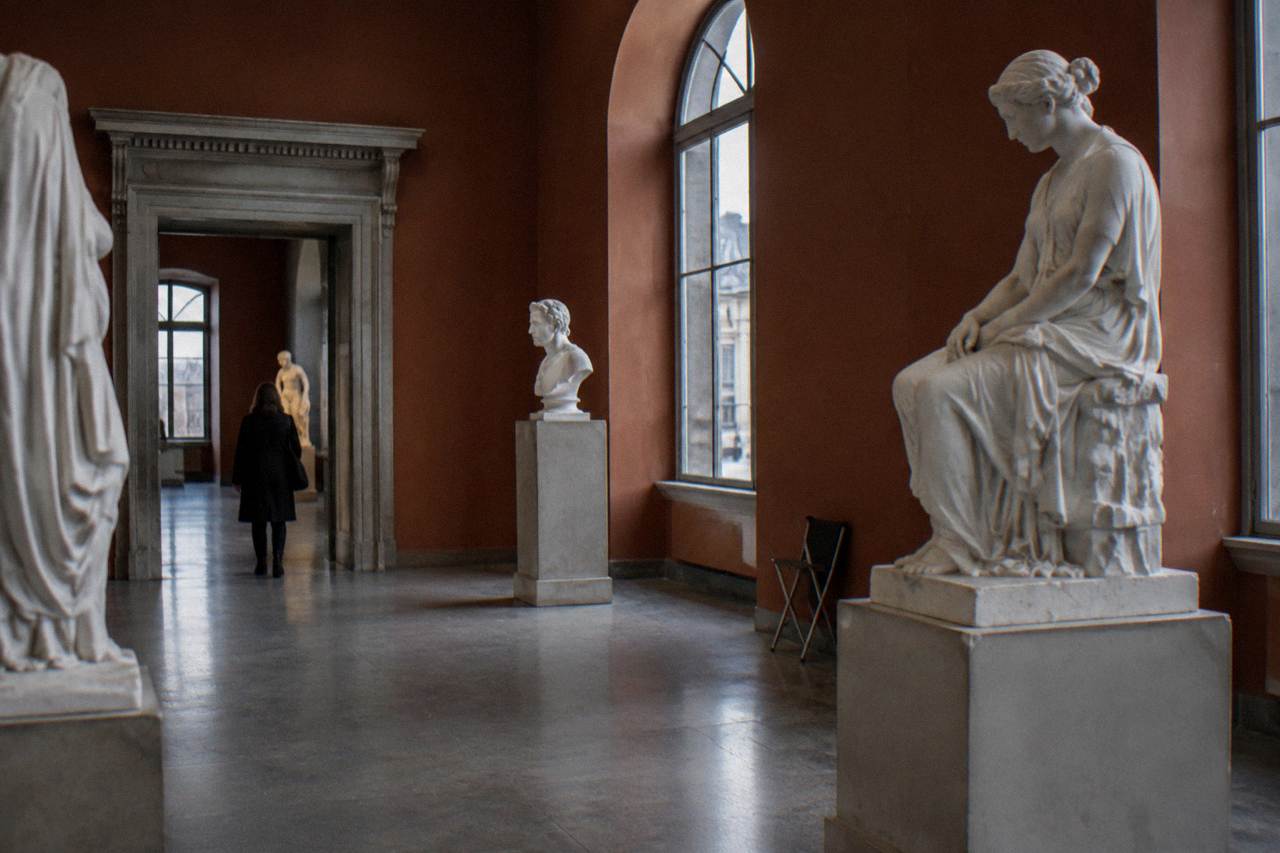
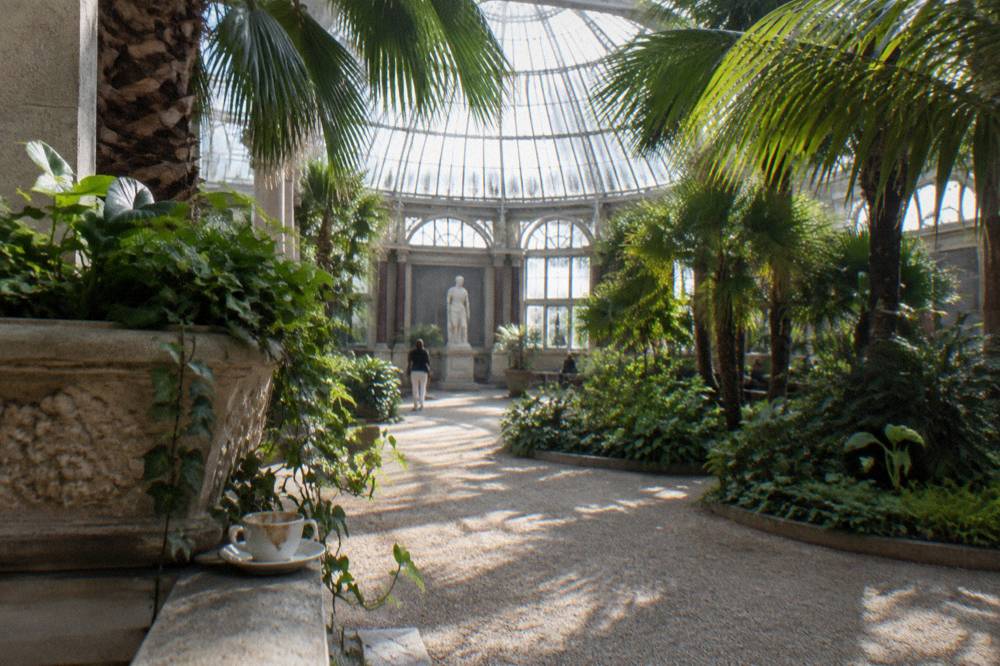
The Glyptotek's rule trips up a lot of visitors because the pattern people expect from other European capitals is a free first Sunday or a free Tuesday. Copenhagen's version is neither. The museum's own Danish-language wording is unambiguous: on the last Wednesday of every month there is free entry to the whole museum. That means the antiquities galleries, the French impressionist rooms, the winter garden under its glass dome, all of it, once a month. If your trip happens to include a last Wednesday, the Glyptotek jumps from the paid column to the free column, and it is one of the most beautiful museums in the country. The official page at glyptoteket.dk carries the current wording.
Thorvaldsens Museum, the neoclassical building on Slotsholmen filled with Bertel Thorvaldsen's sculptures, is the murkier case. It charges around DKK 110 most days and has a free-Wednesday policy, but the exact recurrence is genuinely contested between sources: some describe a weekly free Wednesday, others a shift to the last Wednesday of the month following a reported change in city council funding. The honest instruction is not to build an itinerary around either version. Check the museum's own schedule for your dates, and treat a free Wednesday as a bonus rather than a plan.
A practical note on timing: the free-day museums sit in the city centre, close to where the pay-what-you-want walking tours meet. If you are spending a last-Wednesday Glyptotek day in the old town anyway, the Grand Tour on GuruWalk, rated 4.82 out of 5 across 2,538 reviews and running two and a half hours in English and Spanish from City Hall, slots neatly into the same day, and the Historic Center Walk on GuruWalk, rated 4.84 out of 5 across 1,421 reviews, hands you a recommendations map you can use for the museum afternoon afterward.
The Nordic Freedom Tours City Walk, rated 4.46 out of 5 across 24 GuruWalk reviews, is the third of these and the lightest commitment at two hours, which matters on a day when you want museum hours left over. All three cost nothing up front. The how a free tour actually works guide explains the tipping model if the pay-what-you-want mechanic is new to you.
What Do The Big Copenhagen Museums Actually Cost?
The National Museum of Denmark charges DKK 150 at the door and DKK 135 online. The SMK, the National Gallery of Denmark, charges DKK 140. Rosenborg Castle is DKK 140 online and DKK 150 at the door, the Designmuseum around DKK 140, and Christiansborg's state rooms DKK 150 at the door or DKK 140 online. None of these are free, and none should be presented as free in any planning document.
Start with the National Museum, because it is the one most often wrongly listed as a freebie. Its permanent collection, the Viking treasures, the ethnographic galleries, the Danish prehistory rooms, is excellent, but it is a ticketed museum: DKK 150 at the door, DKK 135 if you buy online. The claim that circulates online, that the permanent collection is free under national museum policy, does not match the museum's own published pricing, which is the source used here. If Danish national museum policy changes, the museum's own page will say so first, and that is where to check before relying on it.
The SMK on Sølvgade holds Denmark's national art collection, Matisse, Munch, the Danish golden age painters, Christoffer Wilhelm Eckersberg above all. It charges DKK 140. Rosenborg Castle, the Renaissance jewel box in the King's Garden where the crown regalia live in the vault, charges DKK 140 online and DKK 150 at the door, and the surrounding garden is the free part, open to everyone. The Designmuseum Danmark, the home of the Danish design story from the chair to the porcelain, runs at around DKK 140. Christiansborg's state rooms, the reception rooms where the Queen hosts official functions, cost DKK 150 at the door or DKK 140 online, with a combined palace ticket at DKK 225 at the door or DKK 215 online. The tower viewing platform, by contrast, is free, which is a genuine oddity worth exploiting.
The Grand Tour on GuruWalk is the featured pick on this site for good reason: two and a half hours, English and Spanish, starting on Rådhuspladsen at City Hall, rated 4.82 out of 5 across 2,538 reviews. It costs nothing to join, and it ends you in the middle of the district where most of the museums in this guide sit, which makes it a sensible warm-up before a museum afternoon.
One price that trips up museum planners is the Round Tower. It looks like a free viewpoint, and the Round Tower free visit question comes up constantly, but the observation deck is ticketed at DKK 60. The spiral ramp is the paid attraction, not a free one, so budget for it or pick the free Christiansborg Tower platform instead.
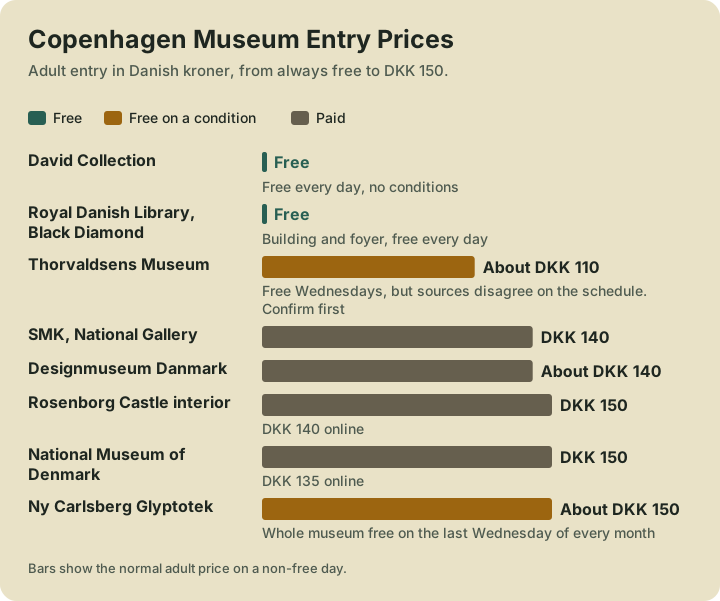
| Museum | Adult price | Free option |
|---|---|---|
| National Museum of Denmark | DKK 150 (135 online) | None published |
| SMK, National Gallery of Denmark | DKK 140 | None published |
| Rosenborg Castle | DKK 140 online, DKK 150 at door | Garden only, free |
| Designmuseum Danmark | Around DKK 140 | None published |
| Christiansborg state rooms | DKK 150 at door, 140 online | Tower platform free |
| Ny Carlsberg Glyptotek | Around DKK 150 | Last Wednesday of each month |
| Thorvaldsens Museum | Around DKK 110 | Wednesday, recurrence contested |
What Can You See For Free In Museum-Worthy Buildings?
Copenhagen's churches are the city's real free museums: the Church of Our Saviour's interior, Frederik's Church's marble dome interior, Grundtvig's Church's expressionist brick nave, and Copenhagen Cathedral's interior all cost nothing to enter, while their tower and dome climbs are separately ticketed at roughly DKK 70 and DKK 50 respectively. The free part is the nave, not the view.
This is the pattern most visitors miss. Copenhagen models its landmark churches as two separate products, and the free product is often the better one. The Church of Our Saviour in Christianshavn charges nothing to walk into its baroque interior with its ornate organ and carved pulpit, while the famous spiral spire climb costs around DKK 70. Frederik's Church, the Marmorkirken beside Amalienborg, lets you stand under the largest dome in Scandinavia for free, while the dome walkway above costs around DKK 50. Grundtvig's Church in the northwest of the city is a staggering piece of Danish expressionist architecture, all yellow brick and vertical light, and entry is free. Copenhagen Cathedral, Vor Frue Kirke, holds Bertel Thorvaldsen's statues of Christ and the apostles, a collection that in any other city would be behind a museum ticket, and the interior is free. More of these guides are collected on Free Things To Do In Copenhagen.
Put together, those four interiors give you sculpture, architecture, and a thousand years of design history for nothing, which is a fair working definition of a museum. The distinction to hold onto is simple: nave free, climb paid. Our Christianshavn free things guide covers the Our Saviour end of that pattern in detail.
The Comedy Walk in English on GuruWalk, rated 4.82 out of 5 across 1,863 reviews, meets at Gammel Strand, a short walk from the cathedral, and its two hours of jokes about Danish history make an odd but effective companion piece to a morning spent looking at very serious sculpture.
If the church-interior circuit appeals, plan it around opening hours rather than around money, since active churches close to visitors during services. A Sunday morning in Copenhagen can be spent hopping from Vor Frue Kirke to the Marmorkirken for the price of a transit ticket, and the transit side is covered in our public transport basics guide.
Is The Copenhagen Card A Way To Get Museums Free?
No. The Copenhagen Card is a paid product, DKK 589 for 24 hours and DKK 859 for 48 hours for an adult, and it works by including paid attractions in a pass you have bought, not by making anything free. Whether it saves money depends entirely on how many ticketed museums and attractions you pack into the pass window, and the current prices are published at copenhagencard.com.
The card question lands on every museum page because the marketing language around passes tends to blur "included" into "free." Nothing in Copenhagen is free with the Copenhagen Card; the entry fees are simply prepaid, and the arithmetic only works out if your itinerary is dense with paid sights. The official price list at copenhagencard.com/view/prices is the source for the current figures, DKK 589 for the 24-hour adult pass and DKK 859 for the 48-hour version.
Here is the honest framing for a museum-focused trip. If your plan is built around the genuinely free tier, the David Collection, the Black Diamond, the church interiors, the Glyptotek on a last Wednesday, then a pass buys you almost nothing, because you are not paying per-attraction in the first place. The card only earns its price against a dense schedule of paid sights: the National Museum at DKK 150, the SMK at DKK 140, Rosenborg at DKK 140 online, Tivoli Gardens from DKK 180. Stack four or five of those into two days and the 48-hour pass starts to make sense. Spread them leisurely across a week and it does not. The full breakdown lives in our Copenhagen Card worth-it analysis.
For the free-first traveller, the better spend is time rather than money, and the hygge-focused walks suit that style. The 3-Hour Hygge Experience on GuruWalk, rated 4.66 out of 5 across 2,132 reviews and offered in English, Spanish and Italian from City Hall, is the longest featured walk on this site's roster and pairs well with a slow museum day in the old town.
Tivoli Gardens deserves its own caution here, since it sits beside the City Hall meeting point where several walks start. Entry to the gardens is ticketed, from DKK 180, and the question is common enough that we answer it in full in is Tivoli Gardens free. The official Tivoli information is at tivoli.dk.
How Do You Plan A Full Free Museum Day In Copenhagen?
A realistic free museum day runs the David Collection in the morning, the Black Diamond foyer after lunch, a church interior in the afternoon, and the Glyptotek only if the date is a last Wednesday, all on foot within the centre, since every venue on the route sits within roughly thirty minutes' walk of the others and the walking itself passes free sights like Nyhavn and the harbour front.
The geography makes this easy. The David Collection sits on Kronprinsessegade beside the King's Garden, the Black Diamond is on the harbourfront a fifteen-minute walk south, and the cathedral, the Marmorkirken and Amalienborg form a cluster around the axis of the royal palaces. A visitor staying anywhere in the centre can walk the entire route without a transit ticket, though a single 2-zone fare, commonly cited at around DKK 24, covers a metro hop if the weather turns.
Timing matters more than money on this route. The David Collection closes one day a week, so check the opening calendar. The Black Diamond's public spaces follow library hours. Church interiors close for services. The Glyptotek's free Wednesday is fixed to the calendar month, so if your trip spans a month boundary you may catch it. The one thing you cannot do is assume any of these venues is open, free or not, without checking, and the museums' own pages are the reliable source for hours.
| Time | Stop | Cost | Notes |
|---|---|---|---|
| Morning | The David Collection | Free | Islamic art and Danish golden age painting |
| Midday | Kongens Have and Nyhavn walk | Free | Garden and harbour views between stops |
| Early afternoon | Black Diamond foyer | Free | Atrium and harbour views, café inside |
| Late afternoon | Vor Frue Kirke or the Marmorkirken | Free | Check service times |
| Only on a last Wednesday | Ny Carlsberg Glyptotek | Free that day | Whole museum, winter garden included |
The day also stitches together well with a guided walk, because the meeting points cluster on the same central axis. If you want the full neighbourhood-by-neighbourhood picture of what else costs nothing, the free things in Indre By guide covers the old town museum district, and the Nørrebro free things guide extends the free tier beyond the centre, including Assistens Cemetery, where several of the artists whose work hangs in the ticketed museums are buried.
Common Questions About Free Museums In Copenhagen
Is the National Museum of Denmark free?
No. The National Museum charges DKK 150 at the door and DKK 135 online. Claims that its permanent collection is free under national museum policy do not match the museum's own published pricing, so check the museum's own page before your visit.
Which day is the Ny Carlsberg Glyptotek free?
The last Wednesday of every month, when the entire museum, including the antiquities galleries and the winter garden, is free to enter. On every other day it charges around DKK 150. It is not a free Tuesday or a free first Sunday.
Is the Thorvaldsens Museum free on Wednesdays?
It runs a free-Wednesday policy, but sources conflict on whether that is every Wednesday or the last Wednesday of the month, so treat it as unconfirmed and check the museum's own schedule for your dates before planning around it.
Is the SMK, the National Gallery of Denmark, free?
No. The SMK charges DKK 140 for adult entry to its collection galleries, which include the Danish golden age and international modern collections.
Are Copenhagen's churches free to visit?
Yes, the interiors are. The Church of Our Saviour, Frederik's Church, Grundtvig's Church and Copenhagen Cathedral all cost nothing to enter. The tower and dome climbs are separate paid products, around DKK 70 at Our Saviour and DKK 50 at the Marmorkirken.
Is anything free with the Copenhagen Card?
No. The Copenhagen Card is a paid pass, DKK 589 for 24 hours and DKK 859 for 48 hours for an adult, that pre-pays entry to included attractions. It can save money on a dense paid itinerary, but nothing becomes free with it.