Is The Copenhagen Card Worth It On A Free-First Copenhagen Trip?
The Copenhagen Card costs DKK 589 for 24 hours, which is real money in a city where the best-known sights cost nothing. This guide runs the numbers against a free-first itinerary and tells you exactly who should buy the card and who should keep their wallet shut.
Short answer
The Copenhagen Card costs DKK 589 for 24 hours and DKK 859 for 48 hours. It is worth it only if you plan to visit three or four paid attractions in a single day, such as Tivoli Gardens, Rosenborg Castle and the National Museum. If your itinerary leans on free walking tours, parks and harbour views, the card pays for very little.
The Copenhagen Card is the single most heavily marketed product aimed at visitors to the city, and it is also the one product this site does not sell and will not pretend to recommend blindly. It costs real money: DKK 589 for a 24-hour adult pass and DKK 859 for a 48-hour pass, prices published on the operator's own pricing page at copenhagencard.com. Whether that money buys anything depends entirely on what you planned to do anyway.
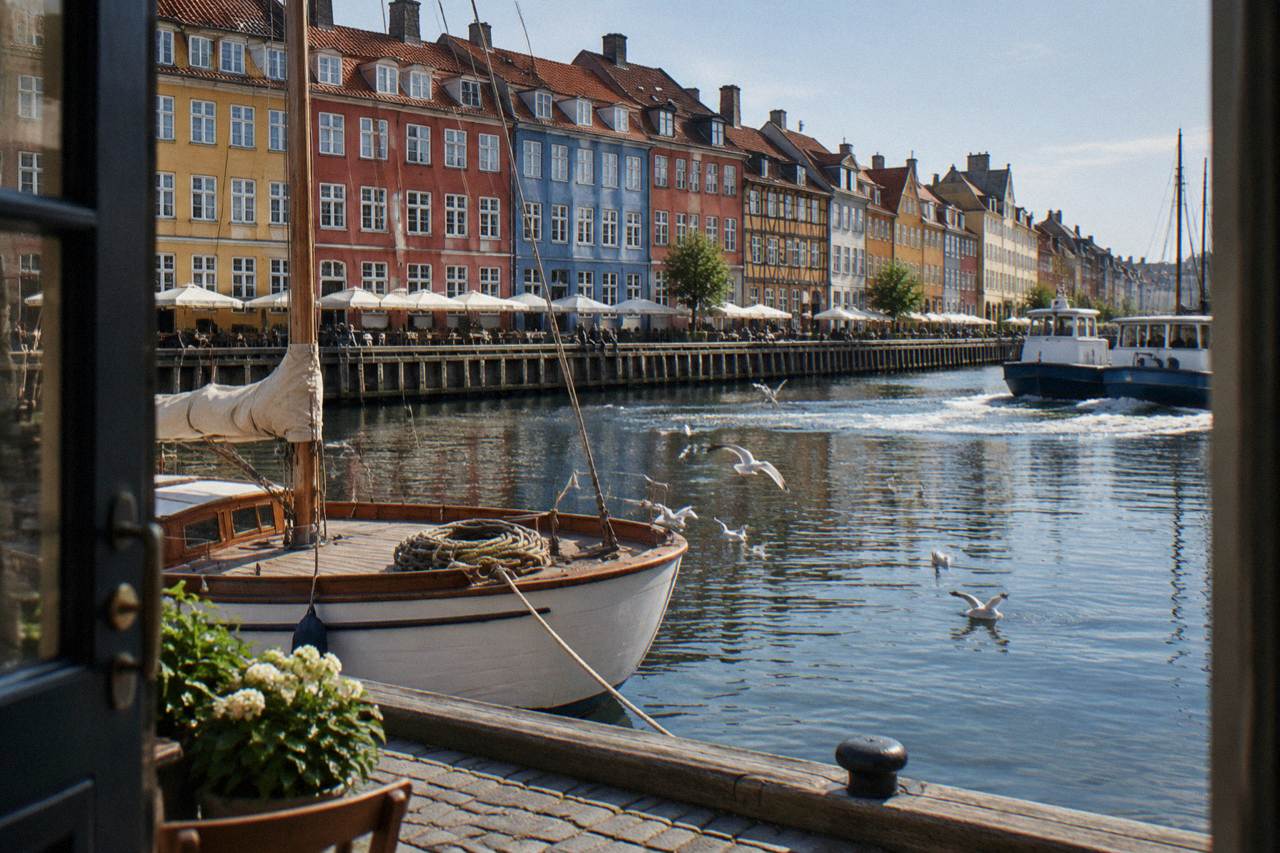
Here is the uncomfortable truth for the card's marketing: Copenhagen is unusually generous with free things. The Little Mermaid, Nyhavn, the changing of the guard at Amalienborg, the Christiansborg Palace Tower viewing platform, the David Collection, Kongens Have, the harbour baths at Islands Brygge and the whole walking district of Freetown Christiania cost nothing to enter. A visitor who builds a trip around those, plus a pay-what-you-want walking tour from the 21 pooled walks catalogued across this site, can spend two full days in Copenhagen without buying an attraction ticket at all.
This guide runs the comparison honestly in both directions. There are itineraries where the card genuinely wins, and there is a much larger category of free-first trips where it quietly loses money. We will price out both.
Is The Copenhagen Card Worth It For Most Visitors?
For most visitors following a free-first itinerary, no. The Copenhagen Card costs DKK 589 for 24 hours, yet a plan built around free attractions earns little back, and the card cannot cover a walking tour tip, a meal, or a boat you were already skipping. It only makes sense when one day stacks three or more paid attractions back to back, a real but narrow use case worth pricing out first.
The card bundles two things: entry to a list of paid attractions and museums, and free public transport within the covered zones. Both halves deserve separate scrutiny, because the transport half is often where the marketing leans hardest and the value is thinnest.
A single 2-zone ticket, the kind that covers most central journeys, is commonly cited at around DKK 24, though that figure comes from a secondary information site rather than the transit authority's own page, so treat it as approximate. The 24-hour City Pass, which covers the central zones without any attractions attached, is DKK 100 per the official Danish public transport information at dinoffentligetransport.dk. Copenhagen's centre is compact: Indre By, Christianshavn and the Nyhavn waterfront are all walkable, and the metro matters mainly for the airport or the outer districts. If you would have bought a transit pass anyway, the transport component of the card is worth DKK 100 to you, not DKK 589.
The attraction component is where the arithmetic lives, and the next two sections run it.
What Does The Copenhagen Card Actually Cost And Cover?
An adult 24-hour card is DKK 589 and a 48-hour card is DKK 859, and both include unlimited travel on the metro, buses, s-trains and some regional trains within the covered zones, plus entry to the card's attraction list. The attraction list is the whole value proposition: it includes the major paid museums and Tivoli Gardens. Children's cards are cheaper, and the card is digital, bought and shown on a phone.
The pricing structure is simple, and the operator publishes it directly. Here is the honest frame of what you are buying:
| Card | Adult price | What it includes | What it does not include |
|---|---|---|---|
| 24-hour | DKK 589 | Attraction list entry, transport in covered zones | Food, walking tour tips, anything already free |
| 48-hour | DKK 859 | Same, over two days | Same exclusions; no refund for unused days |
| Transport-only alternative | DKK 100 (24-hour City Pass) | Metro, bus, s-train in central zones | No attractions |
Two things the table does not show. First, the card's attraction list is dominated by museums and heritage sites that sit within a few minutes' walk of each other in Indre By, which is exactly why a stacked single day is the card's best case. Second, several of the most famous sights in the city are not on the list because they charge nothing: there is no card discount on the Little Mermaid, no card lane at Nyhavn, no card needed for the Amalienborg guard ceremony.
The card also does not cover the pay-what-you-want walking tours this site catalogues. Those are free to join, tipped directly to the guide at the end, and the tip amount is entirely your choice, a system explained in detail in how much to tip a free walking tour guide. If you budget a fair tip for a guided walk of two or three hours, that money goes to a person, not to a pass.
The strongest of those walks is the Grand Tour, English and Spanish, a 2-hour-and-30-minute GuruWalk covering the historic centre, rated 4.82 out of 5 across 2,538 GuruWalk reviews, meeting at City Hall on Rådhuspladsen. It is the flagship of the free walking tours in Copenhagen roster and it costs nothing upfront, which is the entire point of this comparison: the card and the walks compete for the same sightseeing hours, and only one of them has a fixed price.
What Is Free In Copenhagen Without Any Card At All?
A large share of the city's signature sights cost nothing: the Little Mermaid, Nyhavn, the Christiansborg Palace Tower viewing platform, the David Collection museum, the Amalienborg changing of the guard, Kongens Have, Frederiksberg Gardens, Superkilen, the harbour baths and walking through Freetown Christiania are all free to enter. No card, ticket or pass changes that. If your day is built from this list, the card buys you nothing but transport you probably did not need.
This is the list that makes the card a hard sell for a certain kind of traveller, and it is a long list. The verified free sights include the Stroget pedestrian street, Radhuspladsen, Kastellet's star-shaped ramparts, Assistens Cemetery, Refshaleoen, Amager Strandpark, Dragor's village streets, the interiors of the Church of Our Saviour, Frederik's Church and Grundtvig's Church, and the grounds of the Botanical Garden. The full breakdown lives in our free museums in Copenhagen and free viewpoints in Copenhagen guides.
Two museums deserve special mention because their free days are conditional, and the condition matters. The Ny Carlsberg Glyptotek charges around DKK 150 most days but opens the whole museum free on the last Wednesday of every month, a policy stated on its own site at glyptoteket.dk. Note that it is the last Wednesday, not the Tuesday that free-day patterns in other European capitals might lead you to expect. Thorvaldsens Museum is also free on Wednesdays, though sources conflict on whether that is every Wednesday or the last of the month after a reported funding change, so confirm the current schedule directly before planning around it.
There is also a category the card cannot touch: the free-hill-paid-tower pairs. CopenHill's rooftop hiking trail is free to walk, while the ski slope beside it is ticketed at a price that is not currently published in a form we can verify. Church of Our Saviour's interior is free while the spire climb costs around DKK 70, and Frederik's Church lets you in free while the dome climb runs around DKK 50. A card holder and a non-card holder stand in exactly the same free nave.
Which Paid Attractions Would The Card Have To Cover?
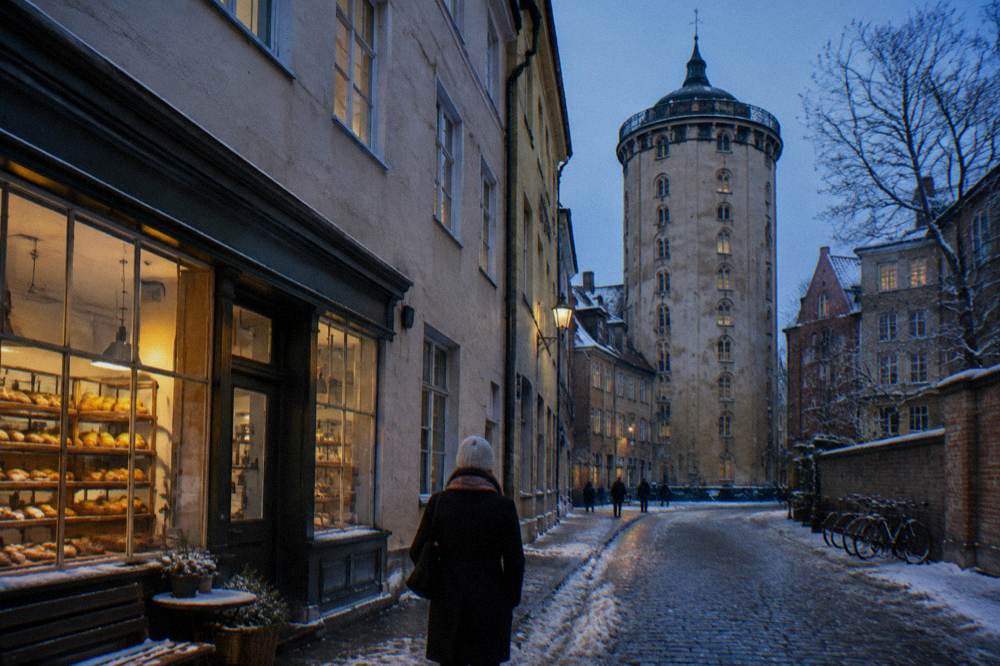
The card's value case rests on the paid attractions: Tivoli Gardens from DKK 180, Rosenborg Castle interior DKK 150 at the door, the National Museum DKK 150, SMK the National Gallery DKK 140, the Christiansborg state rooms DKK 150, and the Round Tower DKK 60. Stack three or four of those into one day and the pass starts to break even. Stack fewer and it does not.
Here are the door prices from our verified facts file, the numbers you would pay without any pass:
| Attraction | Door price (adult) | Online price | Neighbourhood |
|---|---|---|---|
| Tivoli Gardens (entry only) | From DKK 180 | Varies by date | Indre By / Vesterbro border |
| Rosenborg Castle interior | DKK 150 | DKK 140 | Indre By / Kongens Have |
| National Museum of Denmark | DKK 150 | DKK 135 | Indre By |
| Christiansborg state rooms | DKK 150 | DKK 140 | Indre By |
| SMK, National Gallery of Denmark | DKK 140 | DKK 140 | Indre By |
| Designmuseum Danmark | Around DKK 140 | Around DKK 140 | Indre By / Frederiksstaden |
| Round Tower (Rundetaarn) | DKK 60 | DKK 60 | Indre By |
Read that table with a map in mind. Every single row sits in or on the edge of Indre By, the compact medieval core. That concentration is the card's best case and its worst case at once: a determined visitor could physically do the Round Tower, the National Museum, Rosenborg and SMK in one long day, and the combined door prices of that stack are what the 24-hour card has to beat, with the DKK 100 transit value counted in its favour. A visitor who does only two of them, strolls Kongens Have in between and ends the day at the free harbour baths has spent far less at the door than the pass costs and would have lost money on it. The wider set of guides lives on Free Things To Do In Copenhagen.
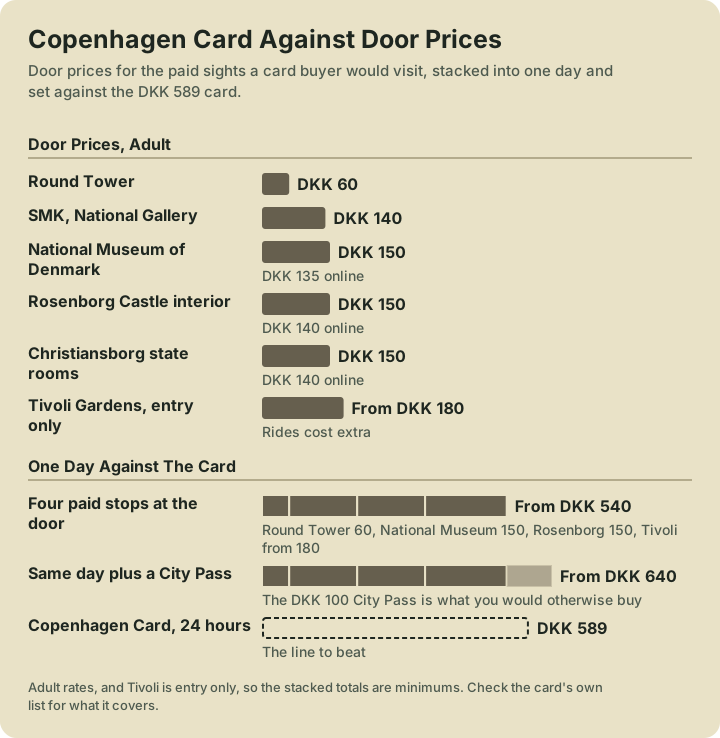
Tivoli deserves its own word because it is the attraction most card buyers are really buying. Entry alone starts at DKK 180, and ride passes cost extra on top; the pricing is on the official site at tivoli.dk. Whether the card's Tivoli inclusion covers entry only or entry plus rides varies by card version, so read the operator's current terms before assuming. Our separate guide, is Tivoli Gardens free in Copenhagen, covers what you can enjoy of Tivoli's atmosphere without going inside the gate at all.
Beyond the core, the paid list thins out. Amalienborg's palace museum interior sits in the roughly DKK 150 band, though the exact 2026 figure is not settled in our sources. Louisiana Museum of Modern Art is out at Humlebaek and paid at a price we cannot currently verify. Cisternerne, the atmospheric underground cistern venue in Frederiksberg, is paid at an unverified price. These are all real attractions, and none of them is a reason to buy a card on its own.
How Does A Free-First Day Compare On Price?
A free-first day in Copenhagen costs only a transit pass, one museum ticket and a tour tip, since the walking tour is pay-what-you-want and the harbour and parks are free. The 24-hour card costs DKK 589 before any meal, coffee or tip, so for the free-first traveller it is not a saving but the single largest expense of the day.
Here is a side-by-side of two realistic days covering similar ground:
| Card-first day | Free-first day | |
|---|---|---|
| Morning | Round Tower (DKK 60, card covered) | Grand Tour walking tour, 2 hours and 30 minutes, pay-what-you-want tip |
| Midday | National Museum (DKK 150, card covered) | National Museum DKK 150, or free David Collection |
| Afternoon | Rosenborg interior (DKK 150, card covered) | Kongens Have and Rosenborg grounds, free |
| Evening | Tivoli entry (from DKK 180, card covered) | Nyhavn and harbour front, free |
| Pass cost | DKK 589 | DKK 100 City Pass |
| Tour tip | DKK 0 (no tour) | Your choice, paid directly to the guide |
| Door spend | DKK 0 (all card covered) | DKK 150 at most, DKK 0 with the David Collection |
The card day buys four attractions and no guide. The free day buys a guided walk of 2 hours and 30 minutes, one museum at most, and keeps the difference in your pocket for a smørrebrød lunch. And the free-first day is flexible in a way the card is not: if it rains, you swap the park for the Glyptotek on a last-Wednesday free day; if the walk runs long, you skip the museum and lose nothing.
The walking tour is also simply better sightseeing economics than a pass. A guide who lives in the city, walking you through Rådhuspladsen, the medieval streets and the waterfront for two and a half hours, costs whatever you decide at the end. The Comedy Walk in English, a 2-hour GuruWalk rated 4.82 out of 5 across 1,863 GuruWalk reviews, meets at Gammel Strand and turns the same historic core into a stand-up-adjacent history lesson, and its reviews consistently describe guides who hold a group's attention for the full two hours. No card product competes with that format.
Which Free Walking Tours Replace Card Sightseeing Hours?
The 21 walks catalogued on this site across GuruWalk and freetour.com cover Indre By, Christianshavn, Christiania and Vesterbro on foot, in English, Spanish, Italian and German, at no upfront cost. They do not replace museum interiors, but they replace the orientation, context and route-finding that card buyers often assume they need a pass for. If your day is walking-heavy, the card's transport and attraction bundle is largely redundant.
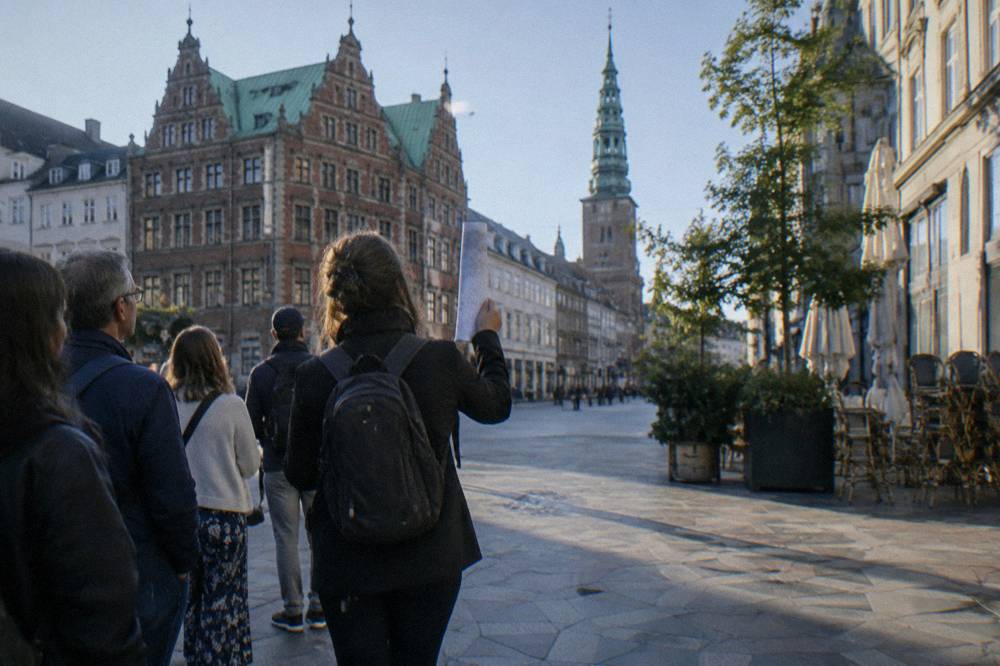
The roster is bigger than most visitors expect, and it is pooled from two platforms. On GuruWalk, the English-capable walks include the Grand Tour, the Historic Center Walk with a recommendations map, rated 4.84 out of 5 across 1,421 GuruWalk reviews, the Comedy Walk, the Nordic Freedom Tours city walk and the Politically Incorrect Hippies walk through Christianshavn. On freetour.com, the Renaissance Era City Walk, rated 9.5 out of 10 across 11,288 freetour.com reviews, and the Royal Highlights Walk, rated 9.5 out of 10 across 6,894 freetour.com reviews, cover the same royal quarter that several card attractions sit inside. Those two scales are different, so compare a 4.84 out of 5 and a 9.5 out of 10 only with both scales stated: on a common footing they are comparably strong.
Neighbourhood by neighbourhood, the walks map neatly onto the free-first plan. Indre By is covered by the Grand Tour and the Historic Center Walk, both meeting at City Hall, a two-minute walk from Tivoli's gate. Christianshavn and Christiania are covered by the 1.5-hour Politically Incorrect Hippies walk, rated 4.74 out of 5 across 393 GuruWalk reviews, and Vesterbro's industrial and red-light past by the Working-Class Copenhagen walk, rated 4.81 out of 5 across 27 GuruWalk reviews, a small pool but a strong score within it. The full neighbourhood breakdown is in our free walking tours by neighbourhood guide.
For a slower, deeper day, the 3-Hour Hygge Experience, rated 4.66 out of 5 across 2,132 GuruWalk reviews, runs three hours in English, Spanish and Italian and weaves Danish daily life, food culture and the idea of hygge into a single walk. Three guided hours for a voluntary tip is the kind of value arithmetic no attraction pass can replicate, and reviewers repeatedly describe it as the walk that explains why the city feels the way it does, not just what its buildings look like.
Who Should Actually Buy The Copenhagen Card?
Buy the Copenhagen Card only if you are a high-density traveller doing three or more paid attractions in one compressed day, staying far from the centre and riding the metro constantly, or short on time and eager to skip ticket queues. Skip it for a free-first itinerary, a walking-tour-heavy plan, or a trip built around parks and the harbour. The card rewards cramming and punishes the relaxed pace most Copenhagen trips actually run at.
The honest profile of the card's ideal buyer is specific: someone on a one-day stopover, a cruise passenger with eight hours, or a dedicated museum-goer who will genuinely do the National Museum, SMK, Rosenborg and the Round Tower between opening and closing, and who values the queue-skipping and the not-thinking-about-tickets as part of the product. For that traveller, DKK 589 against the combined door prices of that stack, plus the DKK 100 transit value, is a modest win.
Everyone else should run the free-first arithmetic first. A two-day trip built on one walking tour a day, the free sights, one paid museum and a Tivoli evening costs far less at the door than the DKK 859 the 48-hour card charges, and the free-first version includes two guided tours the card version does not. Our Copenhagen tipping and money basics guide covers how to budget for the pay-what-you-want walks so the tip does not surprise you.
One last framing point. The card is a paid product, and nothing on this site is "free with the Copenhagen Card", a phrasing you will sometimes see in listicles. The free things in this city are free outright, with or without any pass in your pocket. The card can only ever save you money on things that charge, and the things that charge are a smaller share of Copenhagen than of almost any comparable capital.
If you land undecided, the practical test is one sentence long: write down the paid attractions you are certain you will enter, add their door prices from the table above, and add DKK 100 if you would otherwise buy a transit pass. If that total clears DKK 589, buy the card. If it does not, spend the difference on a long lunch and a generous tip, and let the free city carry the rest.
Common Questions About The Copenhagen Card
Is The Copenhagen Card Worth It?
Only for compressed, museum-heavy itineraries. The 24-hour card costs DKK 589, and it breaks even when a single day stacks three or more paid attractions, such as the National Museum at DKK 150, Rosenborg Castle at DKK 150 and the Round Tower at DKK 60, plus transit. For a free-first itinerary built on walking tours, parks and the harbour, it costs more than it saves.
Does The Copenhagen Card Cover Free Walking Tours?
No. Pay-what-you-want walking tours on GuruWalk and freetour.com have no upfront price for the card to cover, and the tip you give the guide goes to the guide. The card and the walks are alternatives competing for the same sightseeing hours, not complements.
Does The Copenhagen Card Include Public Transport?
Yes, travel on the metro, buses, s-trains and covered regional trains is included. But the central zones cost only DKK 100 for a 24-hour City Pass on their own, so the transport half of the card is worth roughly DKK 100 to most central visitors, not the card's full price.
Is Tivoli Gardens Included In The Copenhagen Card?
Tivoli entry, which starts at DKK 180 on its own, is included in the card's attraction list, but ride passes cost extra and the exact inclusion varies by card version. Check the operator's current terms before buying the card specifically for Tivoli.
Can You Visit Copenhagen Without The Card?
Easily. The Little Mermaid, Nyhavn, the Christiansborg Tower platform, the David Collection, the Amalienborg guard ceremony, Kongens Have, the harbour baths and Freetown Christiania are all free to enter outright, and 21 pay-what-you-want walking tours cover the central neighbourhoods on foot. Most free-first itineraries spend less at the door than the card costs.
Are Museums Free With The Copenhagen Card?
Card-listed museums are covered by the pass, but several museums are free without it too. The David Collection is always free, the Ny Carlsberg Glyptotek opens the whole museum free on the last Wednesday of every month, and Thorvaldsens Museum runs free Wednesdays on a schedule worth confirming directly.