Christiania Copenhagen: What To Know Before You Go
Christiania is a self-governing neighbourhood on the old military barracks of Christianshavn, and it is free to walk into. This guide covers the rules, the safety picture, the costs and the walks that put it in context.
Short answer
Christiania is free to enter and sits a short walk from Copenhagen Central Station across the harbour in Christianshavn. Photography is banned on Pusher Street, the area is generally considered safe to visit by day in the main streets, and an hour-and-a-half GuruWalk tour, the Politically Incorrect Hippies Walk, rated 4.74 out of 5 across 393 reviews, covers its history.
What Is Christiania And Why Do People Visit?
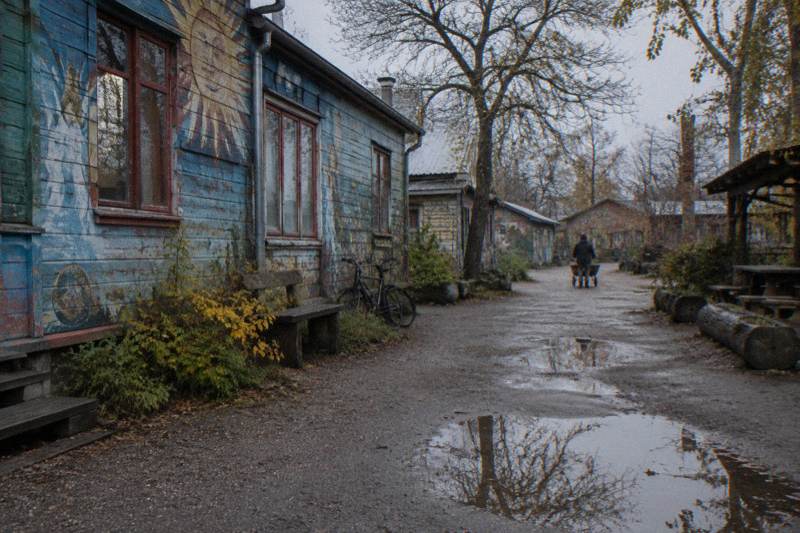
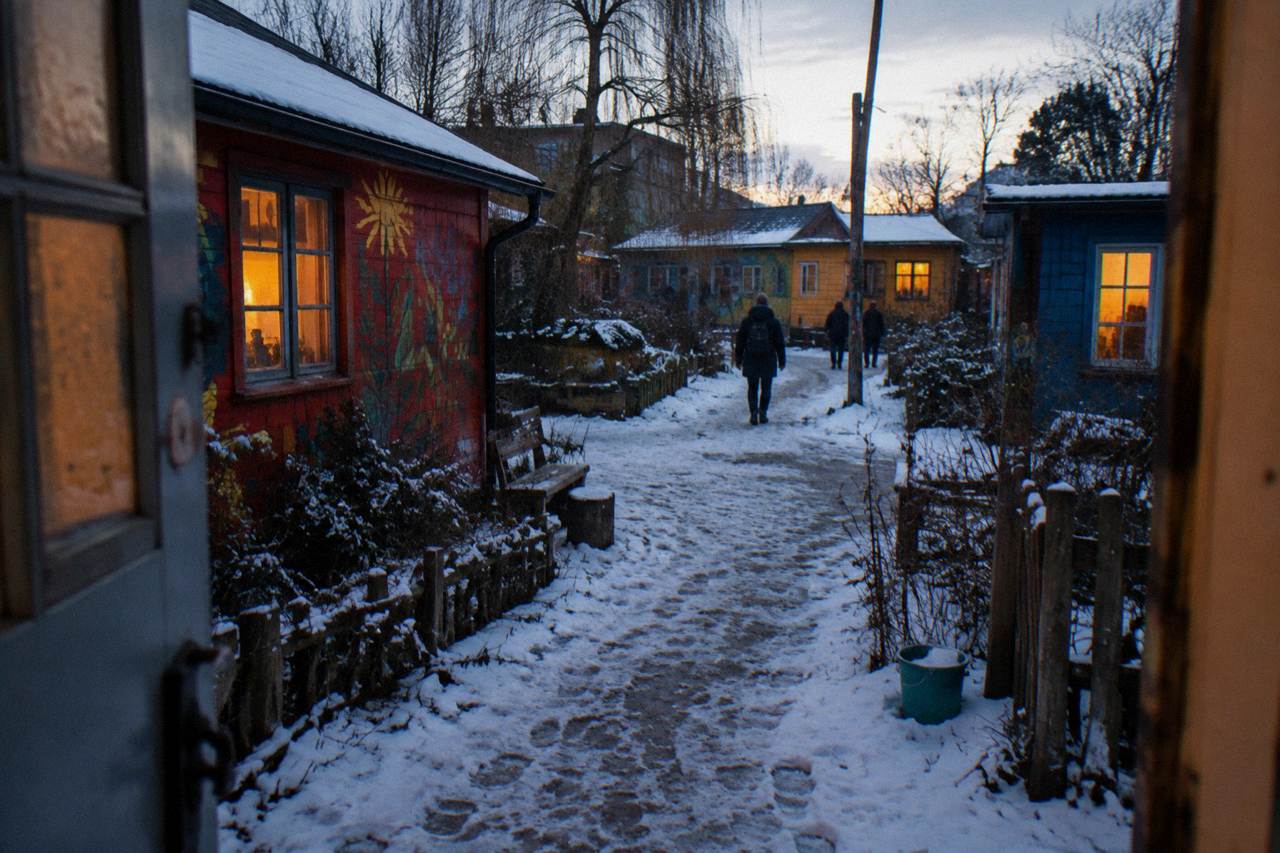
Christiania is a partially self-governing neighbourhood, founded when activists squatted the abandoned military barracks at Badsmandsstraede in Christianshavn and refused to leave. It declares itself outside the Danish state in parts, it is free to walk into, and it draws visitors for its painted houses, its workshops and its unusual status as a place the Danish state has never quite resolved.
The story starts with the military. The barracks at Badsmandsstraede were abandoned, and activists cut through the fence and claimed the site. Decades later the settlement survives as a patchwork of homes, galleries, music venues, workshops and gardens, governed in part by its own community meetings. Some land has been sold to the state in deals that made residents collective owners of part of the area, and some questions about its future remain open.
Visitors come for the contrast more than anything else. Copenhagen is one of the most orderly capitals in Europe, and Christiania is the one place where that order visibly loosens. The main street into the area, Pusher Street, is unpaved gravel with hand-painted signs. Beyond it the neighbourhood opens into quiet lanes with hand-built houses, and the atmosphere shifts block by block. It is the single most asked-about destination on this site's coverage of the city, and the reason we keep a full Christianshavn and Christiania walking tour guide on the roster.
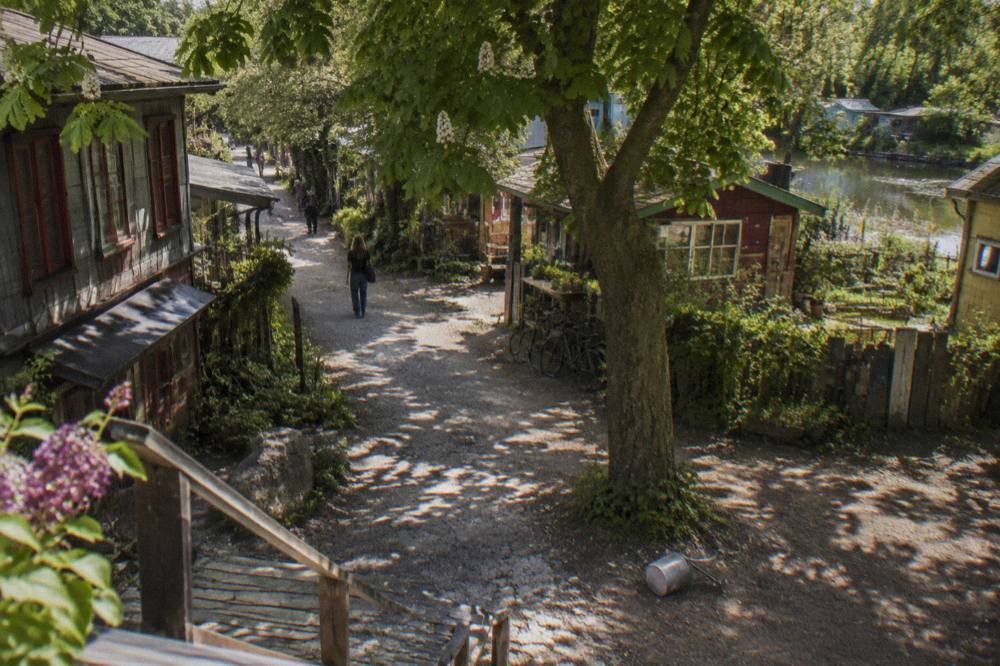
It helps to set expectations before you go. Christiania is not a museum piece, and it is not a theme park. People live here year-round, and residents have publicly asked visitors to respect that it is their home. The rules below exist because decades of tourist traffic made them necessary, and following them is the difference between a welcome visit and a hostile one. Go in with curiosity rather than expectations of a spectacle, and the neighbourhood rewards it.
Where Is Christiania And How Do You Get There?
Christiania sits in Christianshavn, on the island of Amager across the inner harbour from Indre By. The main entrance is at the end of Refshalevej near the Church of Our Saviour, a short walk from Copenhagen Central Station via the Knippelsbro bridge, and the closest metro stop is Christianshavn St. on the M1 and M2 lines.
The walk from the city centre is part of the experience. You leave the boutiques of Stroget, cross Knippelsbro with the harbour on both sides, and arrive in a canal district built when Christian IV expanded the city beyond its old walls. The Church of Our Saviour's twisted spire sits a few hundred metres from the entrance, and its interior is free to enter, though the spire climb itself costs around DKK 70. It is one of several free-interior, paid-tower pairs in the city, and worth knowing before you arrive expecting everything inside the church to be free.
Public transport is cheap by Copenhagen standards. A 24-hour City Pass costs DKK 100 and covers the metro, buses and trains in the central zones, per the official fare site at dinoffentligetransport.dk. A single two-zone ticket is commonly cited at around DKK 24, though that figure comes from a secondary information site rather than the transit authority's own page, so check the current fare before relying on it. From Christianshavn St. the walk to the Christiania entrance is under ten minutes.
| Route | How | Notes |
|---|---|---|
| From Central Station on foot | Via Knippelsbro and Christianshavn | Free, and the most scenic approach |
| Metro M1 or M2 | To Christianshavn St. | A few minutes plus a short walk; City Pass coverage applies |
| Harbour bus | To Christianshavn | A cheap boat ride with harbour views; seasonal schedule |
| Bike | Over Knippelsbro or the cycle bridge | Bike lanes run the whole way from the centre |
If you would rather arrive with a guide who explains what you are walking into, several tours cover the approach. The Politically Incorrect Hippies Walk meets at Havnegade on the harbourfront and walks you across into Christianshavn and Christiania with the history attached, and the site's Christianshavn free things guide maps the rest of the district for afterwards.
What Are The Rules Inside Freetown Christiania?
The core rules are short: no photos on Pusher Street, no running or shouting in the same street, no touching the stalls, and no visiting the back areas where residents live. Photography is tolerated elsewhere in Christiania, but on Pusher Street the signs are explicit and the residents enforce them, and visitors who ignore them can expect to be told to delete the pictures.
Pusher Street is the reason for most of it. The street was for decades an open hash market, and after a fatal shooting the residents themselves demolished the booths and pushed the trade off the main drag. The trade has not gone away entirely, and the street still operates under its own informal rules that predate the changes. The painted signs at the entrance read "Foto forbud", photography forbidden, and they mean it. Our dedicated Pusher Street rules guide goes through each rule in detail.
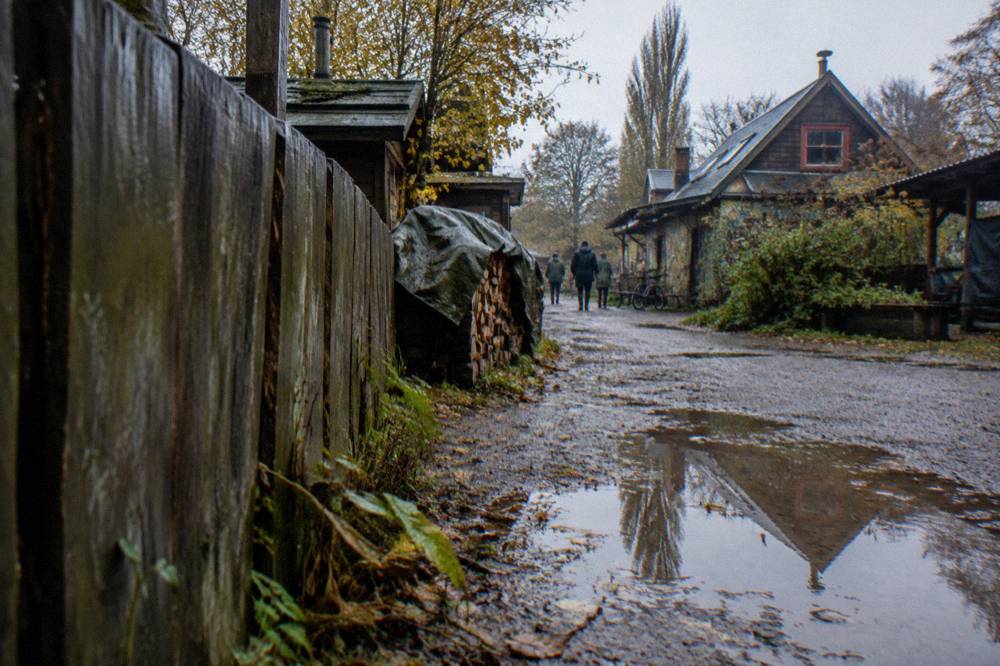
Beyond Pusher Street the etiquette is ordinary neighbourhood courtesy. The residential lanes at the back of Christiania are private homes, and the community asks visitors to stay on the main paths. Dogs should be kept on a lead, the lake edges are not picnic grounds, and the music venues operate on their own schedules. None of this is enforced by police, because in practice Christiania polices itself, and that is the whole point of the place.
| Rule | Where it applies | Why it exists |
|---|---|---|
| No photography | Pusher Street | Residents and traders do not want their images circulated |
| No running, no shouting | Pusher Street | Sudden movement causes alarm in a sensitive area |
| Do not photograph people | Everywhere in Christiania | It is a home, not a photo studio |
| Stay on main paths | Back residential lanes | Those are private houses |
| No bikes on Pusher Street | The gravel street itself | Walk your bike through the crowded section |
A guided walk makes the rules easier to read on the ground. The Politically Incorrect Hippies Walk on GuruWalk, rated 4.74 out of 5 across 393 GuruWalk reviews, spends its hour and a half on exactly this territory, and reviewers describe a guide who explains the community's politics and boundaries without romanticising them.
Is Christiania Safe To Visit?
Christiania is generally considered safe to visit during the day along the main routes, which is where essentially all tourist traffic stays. The Danish police maintain a presence in the area, incidents involving visitors are rare given the footfall, and the standard advice is to go by day, keep to the main streets, and leave the area before dark rather than treating it like a nightlife district.
The honest answer needs nuance. Christiania's reputation was shaped by the shooting and by gang-related incidents around the hash trade in earlier decades, and those events were real. But the context matters: the residents demolished the Pusher Street booths themselves after the shooting, and the area's violent incidents have overwhelmingly involved people inside the trade rather than tourists walking through. Huge numbers of people pass through Christiania every year, and the overwhelming majority experience nothing worse than a resident telling them to put a camera away.
By day the main drag is busy with families, tour groups and cyclists. The is Christiania safe question gets a longer treatment on this site, but the short version is that daytime visits on the main paths carry no more risk than the surrounding city. Evening is different, not because of any specific danger but because the residential lanes empty out, the venues open, and the area stops being a sightseeing destination.
What Can You See For Free In And Around Christiania?
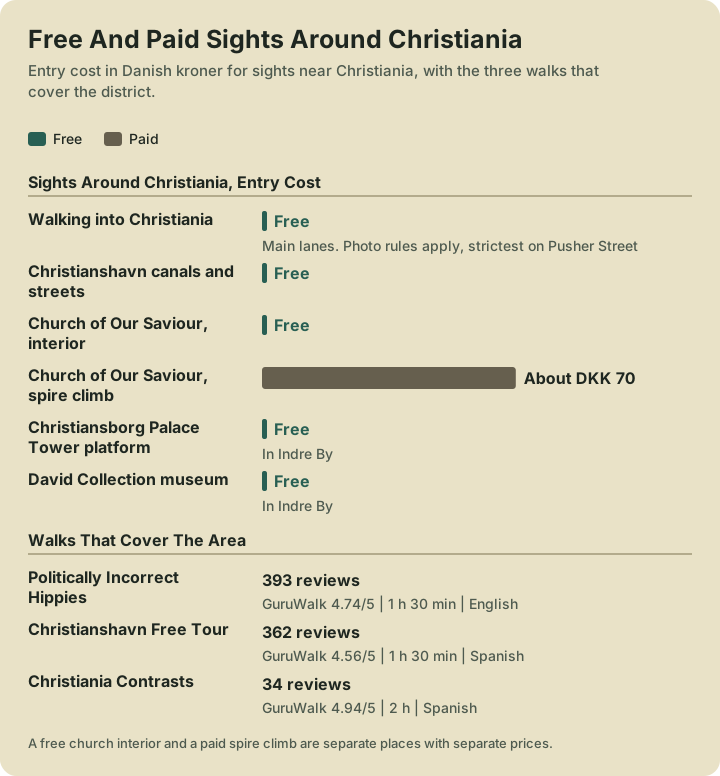
Walking into Christiania costs nothing, and the free sights include the painted houses along the main lanes, the lake at the southern edge, the workshops and galleries that open onto the streets, and the surrounding free district of Christianshavn with its canals and the Church of Our Saviour's free interior. The paid items nearby are specific: the Church of Our Saviour spire climb at around DKK 70, and the museums across the water in Indre By.
Start with the neighbourhood itself. The main walk from the Prinsessegade entrance takes you past the community's hand-built architecture, which ranges from scrap-wood cottages to genuinely ambitious constructions. The Grey Hall and the open-air stages host events, the cafes sell food and drink at normal prices, and the artwork on the walls changes constantly. None of it carries an entry fee, because there is no gate and no ticket. The full index of guides sits on Free Things To Do In Copenhagen.
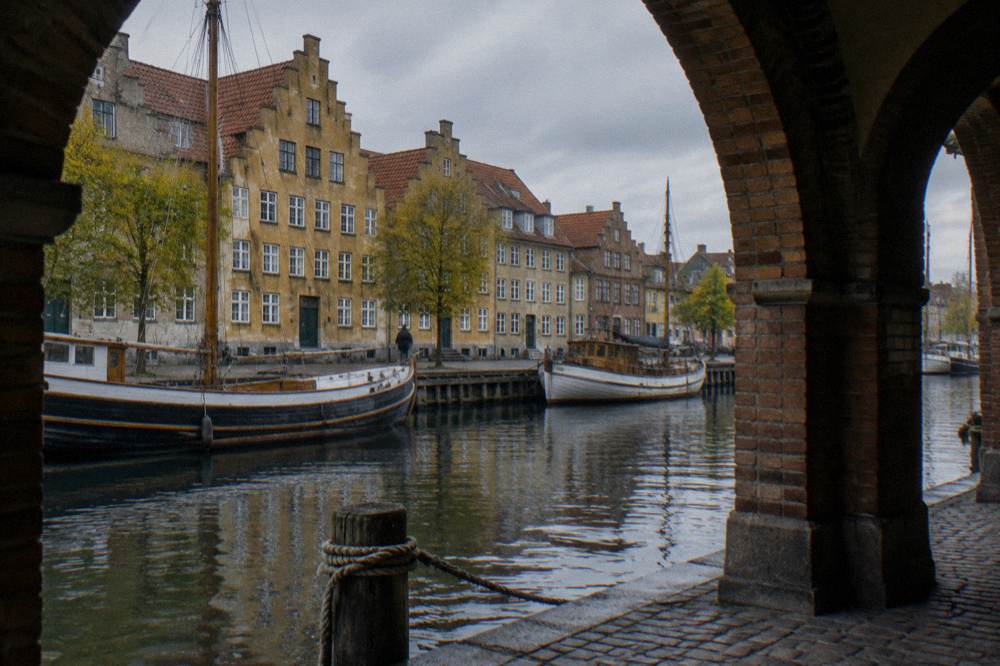
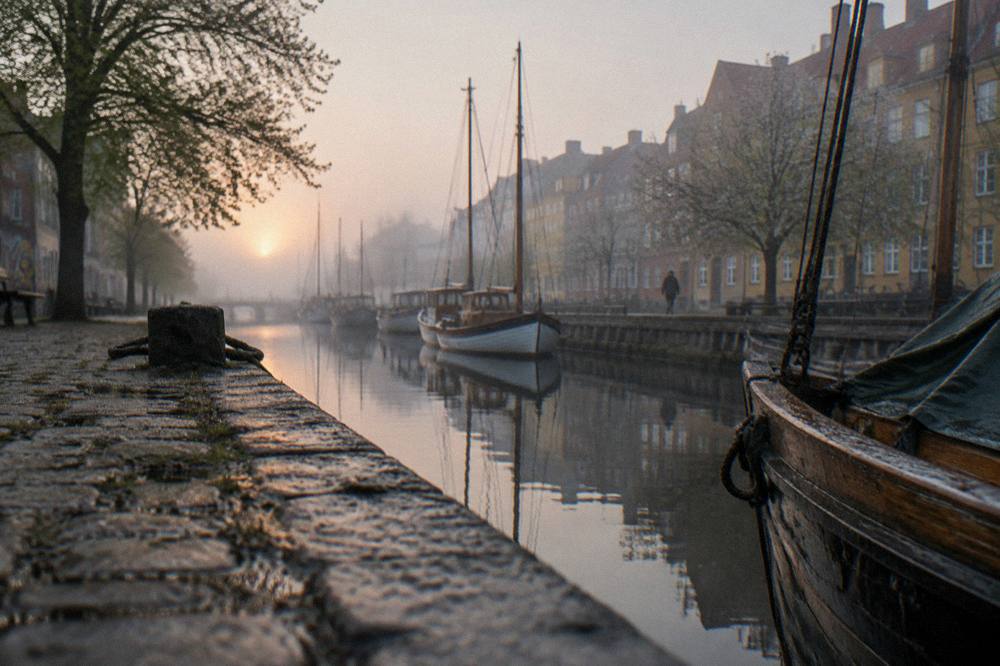
The surrounding district is one of Copenhagen's best free walks. Christianshavn's canals were laid out in the Dutch style when the district was built, and the streets around Vor Frelsers Kirke are lined with historic townhouses. Across the harbour, Indre By adds the free Christiansborg Palace Tower viewing platform, the free David Collection, and the Nyhavn waterfront, all covered in our Indre By free walking guide.
| Sight | Cost | Area |
|---|---|---|
| Walking into Christiania, main lanes | Free | Christiania |
| Christiania lake and southern paths | Free | Christiania |
| Christianshavn canals and streets | Free | Christianshavn |
| Church of Our Saviour interior | Free | Christianshavn |
| Church of Our Saviour spire climb | Around DKK 70 | Christianshavn |
| Christiansborg Palace Tower platform | Free | Indre By |
| David Collection museum | Free | Indre By |
| Nyhavn waterfront | Free | Indre By |
How Does Christiania Fit Into A Day In Copenhagen?
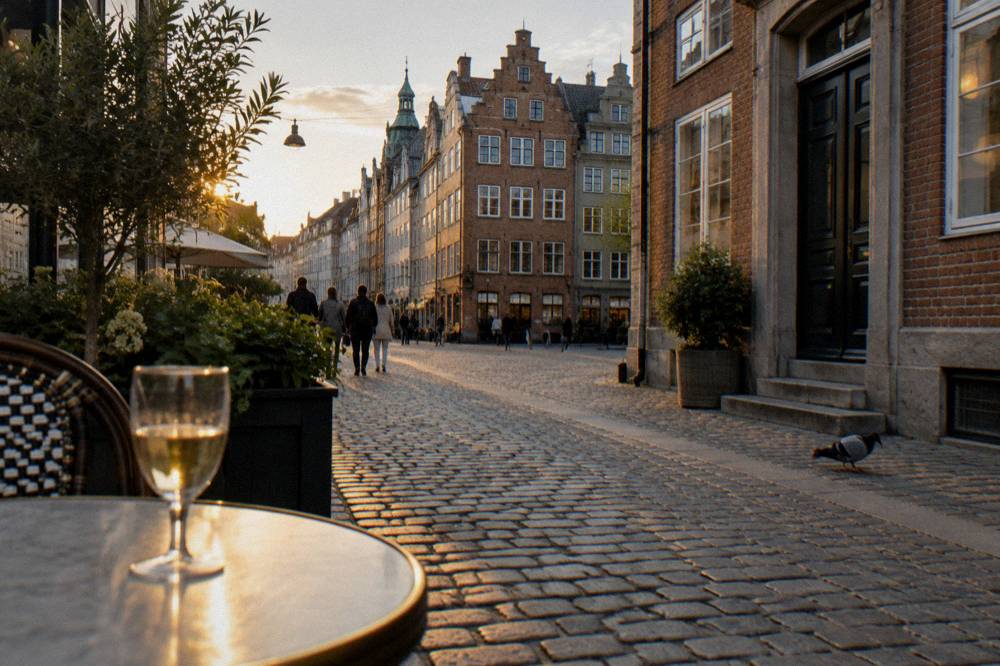
Christiania works best as the second half of a day that starts in Indre By, crosses the harbour on foot, and ends in Christianshavn. Walk Stroget and Nyhavn in the morning, cross Knippelsbro after lunch, spend the afternoon in Christiania, and finish along the Christianshavn canals. The whole loop is walkable, needs no transport ticket, and leaves room for a long coffee stop somewhere with a view of the water.
The classic route starts at City Hall. The Grand Tour, English and Spanish, a two-and-a-half-hour GuruWalk walk rated 4.82 out of 5 across 2,538 GuruWalk reviews, starts at Rådhuspladsen and covers the old town's main sights, which makes it a natural morning choice before you cross the water. Reviewers describe it as a solid first-day orientation walk that ends close enough to the harbour to continue on foot.
For something lighter, the Comedy Walk in English meets at Gammel Strand, a short walk from the bridge route. It runs two hours, is rated 4.82 out of 5 across 1,863 GuruWalk reviews, and trades the standard history script for jokes, which several reviewers say works better with teenagers than a conventional tour. Doing the old town with a guide in the morning and Christiania on your own in the afternoon is a pattern that suits most first visits.
If your day runs the other direction, Vesterbro sits west of the centre and pairs well with a morning coffee stop before you head across the harbour. The Working-Class Vesterbro walk covers that district's red-light past and industrial era in an hour and a half; it is a newer listing with 27 GuruWalk reviews and a rating of 4.81 out of 5, a pool too small to treat as proven, so read the listing's own recent reviews before committing. Vesterbro itself is covered in our Vesterbro free things guide.
When Is The Best Time To Visit Christiania?
Daylight hours, weekdays outside the Danish school holidays, are the calmest window for a first visit. Weekends bring the biggest crowds to Pusher Street and the main lanes, the music venues get louder in the evenings, and the difference between a quiet Tuesday morning and a packed Saturday afternoon in the same street is dramatic enough to change how the place feels.
Morning has a practical advantage: the stalls and cafes are opening rather than closing, the light is better for the lanes where photography is allowed, and you can be back across the bridge before the evening shift in atmosphere that residents themselves describe. Weather matters less than you would think, since much of the interest is architectural and street-level, but the lake paths and the walk over from Knippelsbro are at their best dry. Our best time to visit guide covers the seasonal picture for the whole city.
One planning note worth the detour: Christiania's community events, from open-air concerts to market days, are announced on the area's own channels rather than on any city tourism calendar. If a visit lands on an event day the atmosphere shifts again, busier and more local at once. There is nothing to book for any of it, and nothing to pay at the gate, which is the whole shape of a Christiania visit.
What Does A Christiania Visit Actually Cost?
The visit itself is free, and the only costs are transport, food and tips. A 24-hour City Pass at DKK 100 covers central transit, the Copenhagen Card at DKK 589 for 24 hours is poor value for a Christiania-focused day because nothing in the area requires it, and a tip for a free walking tour is whatever you decide it should be, sized to the walk's length and how well it went.
Be direct about the Copenhagen Card: it is a paid product, 24-hour adult DKK 589 or 48-hour DKK 859 per the official price page at copenhagencard.com, and it bundles paid attractions. Since Christiania, the Christianshavn canals, Nyhavn and the free museums cost nothing, a card only pays off if you are stacking paid interiors like Rosenborg Castle at DKK 140 online or the National Museum at DKK 135 online into the same 24 hours. Our Copenhagen Card worth-it guide runs the numbers for a free-focused trip.
Tipping is the one cost a first-time visitor reliably underestimates. The walks on this site are pay-what-you-want, which means the guide is paid from tips alone, and the local norms are discussed in our tipping basics guide. Carry cash or a card that works on the platform's tipping flow, because the guide cannot chase you afterwards.
Food inside Christiania runs at normal Copenhagen prices. The cafes and the food stalls near the entrance sell meals in the same range as the rest of the city, and there is no discount for the bohemian setting. If you are eating on a budget, the bakeries of Vesterbro and the central markets beat the tourist-priced options on the harbourfront by a wide margin.
Before you plan the day, these three walks cover the ground around Christiania from different angles: the Christianshavn-based hippies walk, the Vesterbro industrial-history walk, and the two freetour.com classics that anchor the old town, the Renaissance Era City Walk at 9.5 out of 10 across 11,288 freetour.com reviews and the Royal Highlights Walk at 9.5 out of 10 across 6,894 freetour.com reviews.
Common Questions About Christiania
Is Christiania free to visit?
Yes. There is no gate, ticket or entry fee. Walking into Christiania and around its main lanes costs nothing, and the surrounding Christianshavn district, including the Church of Our Saviour's interior, is free too. Only the church's spire climb, at around DKK 70, is paid.
Can you take photos in Christiania?
Not on Pusher Street. The signs at the entrance forbid photography there, and residents enforce the rule. Elsewhere in Christiania photos are tolerated, but you should never photograph people without asking, and the residential back lanes are off limits.
Is Christiania safe for tourists?
Generally yes, by day, on the main streets. The area sees heavy tourist footfall and incidents involving visitors are rare. The standard advice is to visit in daylight, stay on the main routes, and avoid photographing the trade on Pusher Street.
How do you get to Christiania from the city centre?
Walk. It is a short walk from Central Station across Knippelsbro into Christianshavn, and the closest metro stop is Christianshavn St. on the M1 and M2 lines. A 24-hour City Pass at DKK 100 covers the metro if you would rather ride.
What is Pusher Street?
Christiania's unpaved main street, historically an open hash market. The residents demolished the booths themselves after a fatal shooting, but the street keeps its own rules: no photos, no running, no touching the stalls. Our Pusher Street rules guide covers the details.
Is there a free walking tour of Christiania?
Yes. The Politically Incorrect Hippies Walk, an hour-and-a-half English walk on GuruWalk rated 4.74 out of 5 across 393 GuruWalk reviews, covers Christiania and Christianshavn from Havnegade, and Spanish and Italian walkers have their own dedicated listings on the same platform.