Is Copenhagen Expensive To Visit?
Copenhagen has a reputation for high prices, but the city's headline sights, harbourside life and walking tours cost nothing. Here is an honest cost breakdown.
Is Copenhagen Expensive To Visit?
Yes, Copenhagen is expensive by most European standards, but the gap closes fast once you know which parts of the city are free. Restaurants, hotels and paid museums carry Scandinavian prices, while the harbour, the old streets, the palaces' exteriors and the entire walking-tour scene cost nothing. A visitor who plans around the free layer can spend a full day out of pocket only for food and a transit ticket.
The honest answer has two halves. The first half is that Copenhagen sits near the top of Europe's price tables for accommodation, restaurant meals and alcohol. A sit-down dinner in the old centre will cost several times what the same meal costs in Madrid or Prague, and hotel rates in summer reflect a city that has become one of the continent's most visited capitals per resident. Nobody should arrive expecting a cheap city in the way that Bucharest or Porto is cheap.
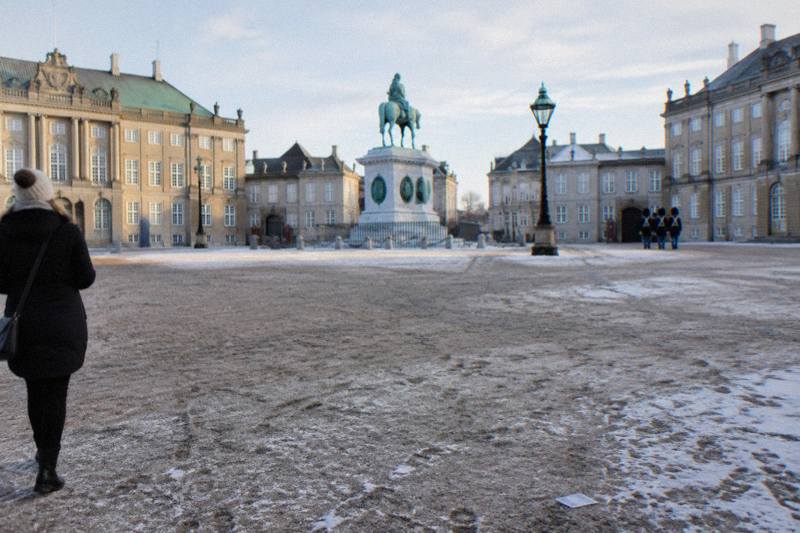
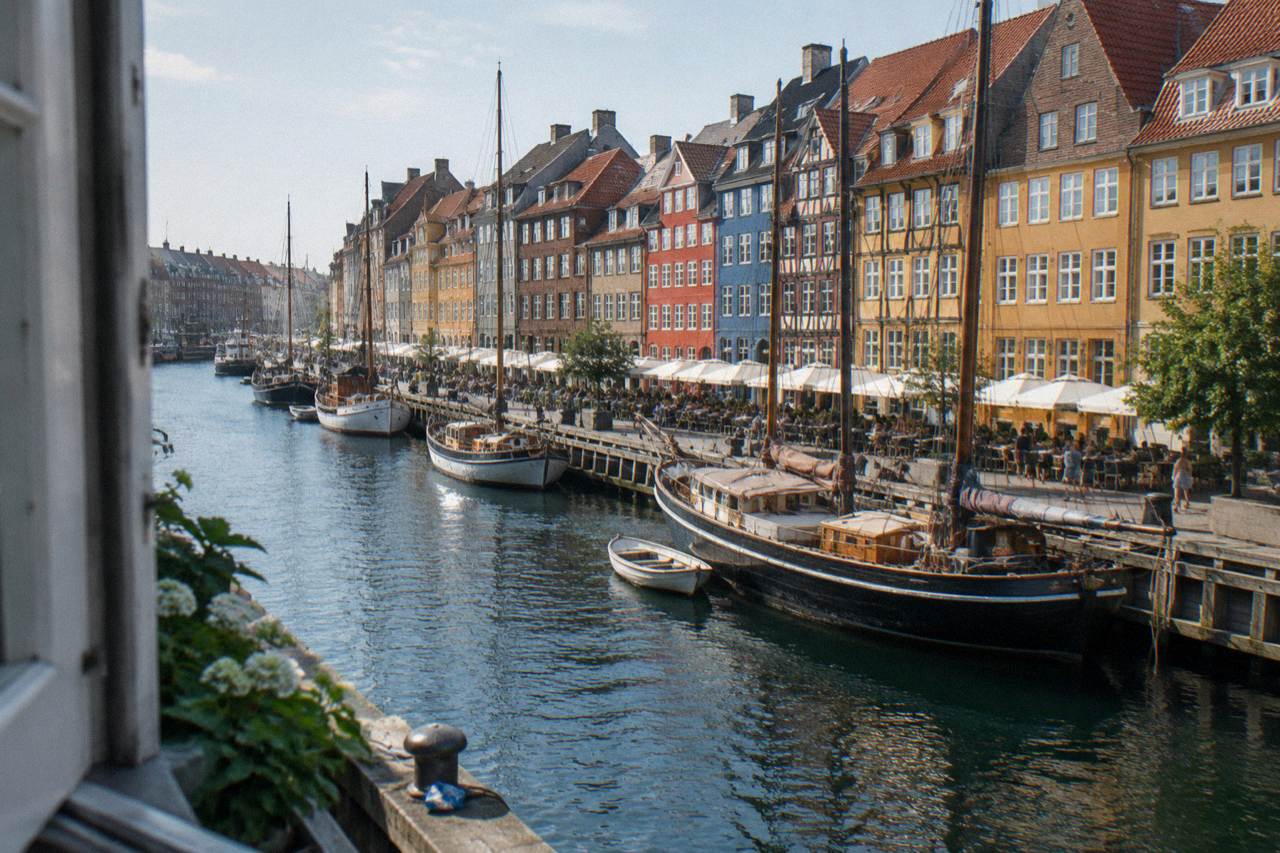
The second half is that the Copenhagen most people picture, the Nyhavn gables, the Little Mermaid, the Amalienborg guards, the harbour baths, the freetown of Christiania, is almost entirely free to see. The city's headline attractions are outdoors and public. This is unusual. In Paris the headline sights are the Louvre and the Eiffel Tower, both ticketed. In Copenhagen the headline sights are a canal, a statue and a square, and the ticketed layer, Tivoli Gardens from DKK 180, the Rosenborg interior at DKK 150 at the door, the Christiansborg state rooms at the same door price, is genuinely optional.
The walking-tour scene is the clearest example of the pattern. This site tracks 21 pooled pay-what-you-want walks across GuruWalk and freetour.com, each with its own page, and nine of the strongest are featured with cards. The Grand Tour, English and Spanish, rated 4.82 out of 5 across 2,538 GuruWalk reviews, runs two and a half hours from the city hall for whatever you choose to tip. A paid equivalent in a comparable capital would cost a fixed fee per person. Here the price is set by you, after the walk.
If you want the full lay of the land before deciding how to spend, the guide to free walking tours in Copenhagen breaks down the whole scene, and the neighbourhood-by-neighbourhood guide shows where each walk starts.
What Does A Day In Copenhagen Actually Cost?
A bare-bones day costs roughly DKK 250 to 400 per person: a bakery breakfast, a supermarket or street-food lunch, a casual dinner, and a transit pass, with every sight free. A comfortable day with one paid museum, a proper restaurant dinner and a coffee stop runs closer to DKK 700 to 1,000. The swing between budget and mid-range is driven almost entirely by food and tickets, not by the city's core sights.
The single biggest lever is transit. A 24-hour City Pass covers buses, metro and trains across the central zones at DKK 100, and since the centre is compact and walkable, many visitors need less transit than they expect. The commonly cited single 2-zone ticket figure is around DKK 24, though that number comes from a secondary information site rather than the transport authority's own page, so treat it as approximate. If your hotel is central and your legs work, the transit line of a day's budget can approach zero.
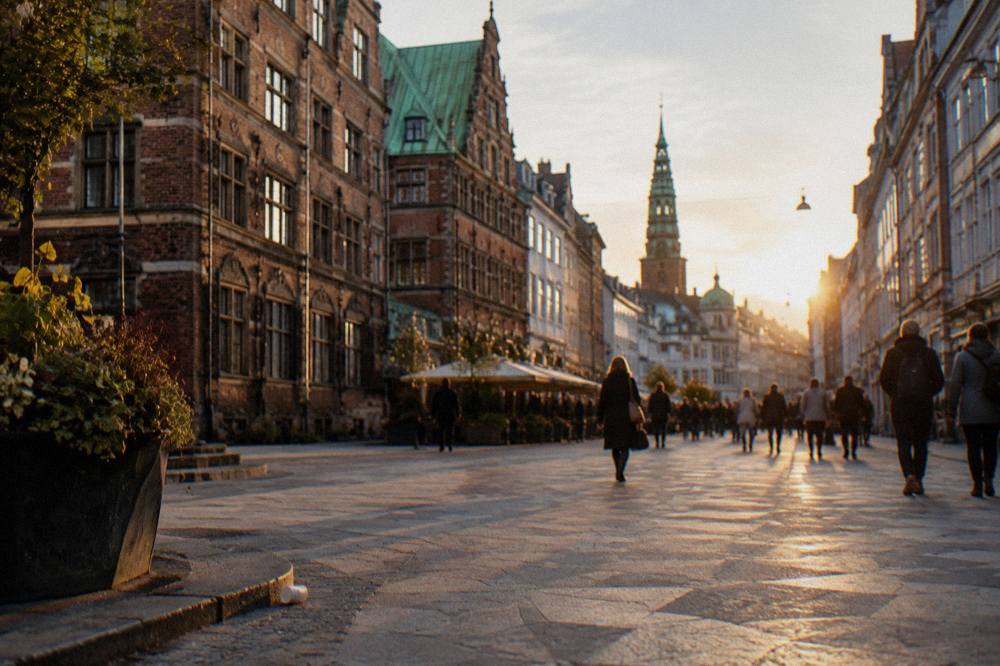
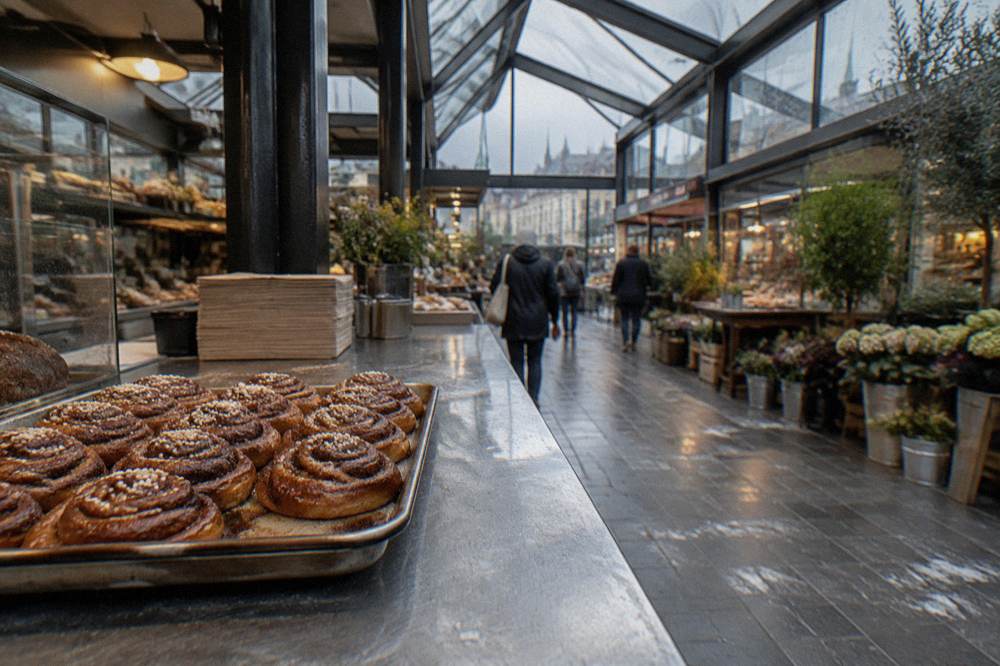
The second lever is coffee and cake. Copenhagen's cafe culture is excellent and priced accordingly, and two cafe stops a day can quietly add DKK 150 to a budget that looked fine on paper. The Danish habit of buying a bakery bun or a cinnamon snegl and eating it on a bench or a harbour edge is not a compromise, it is what locals actually do, and it costs a fraction of a seated cafe visit.
Here is how the two travel styles compare on a realistic day:
| Cost line | Budget day | Comfortable day |
|---|---|---|
| Breakfast | Bakery bun and coffee to go, DKK 50-70 | Hotel breakfast or cafe, DKK 120-180 |
| Lunch | Supermarket or street food, DKK 60-100 | Sit-down lunch, DKK 180-280 |
| Dinner | Casual pizza or kebab, DKK 100-150 | Restaurant main plus drink, DKK 300-500 |
| Transit | 24-hour City Pass, DKK 100 | City Pass plus a taxi leg, DKK 200+ |
| Sights | Free layer only, DKK 0 | One paid museum, DKK 140-150 |
| Total per person | Roughly DKK 310-420 | Roughly DKK 940-1,390 |
The table's message is not that the budget day is virtuous. It is that the free layer of sights is good enough that the difference between the two columns buys comfort, not access. Both travellers see the same harbour, the same old streets and the same guards.
Which Famous Sights Are Free And Which Charge?
The free list is longer than most visitors expect: Nyhavn, the Little Mermaid, the changing of the guard at Amalienborg, the Christiansborg tower viewing platform, the Royal Danish Library's Black Diamond building, Kastellet, Freetown Christiania's streets and every major park are free. The paid list is real but optional: Tivoli Gardens from DKK 180, the Round Tower at DKK 60, castle and palace interiors from DKK 140.
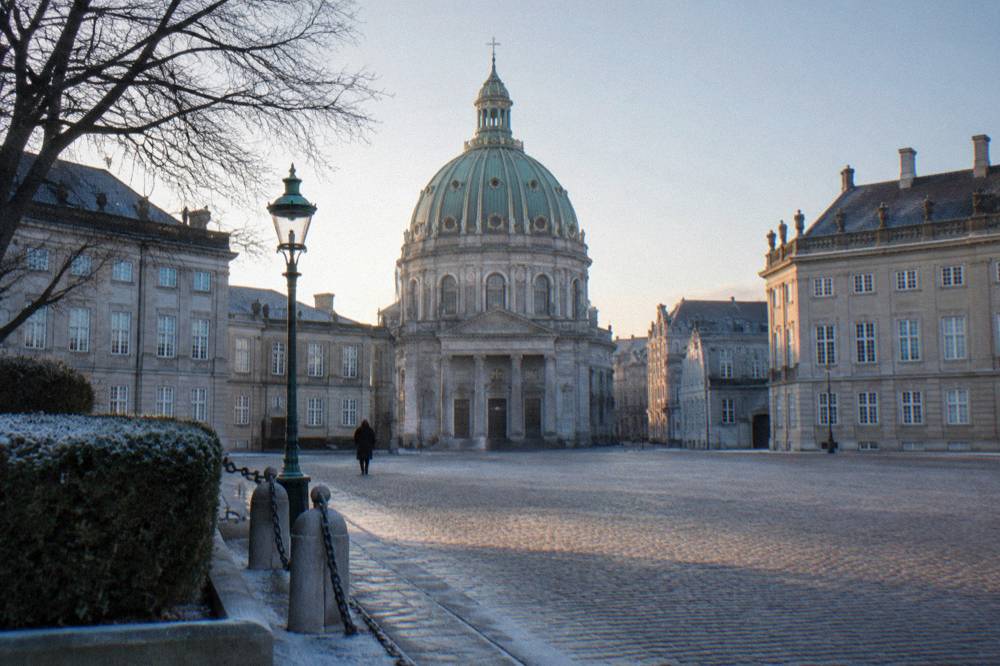
The pattern that saves the most money is the free-interior, paid-tower pair. The Church of Our Saviour in Christianshavn charges nothing to walk into, while the famous spiral spire climb costs around DKK 70. Frederik's Church, the marble church by Amalienborg, is the same shape of deal: the interior is free, the dome climb costs around DKK 50. In both cases the free half is the building and the paid half is the view, and Copenhagen gives away plenty of views elsewhere, including the free platform at the top of the Christiansborg tower.
Two districts follow the same split. CopenHill, the waste-to-energy plant with the rooftop hiking trail, is free to hike and charges only for the ski slope, whose exact price is not published in a form this site can verify. Carlsberg Byen is free to walk as a district, with the brewery experience ticketed separately. In both cases the free half is the thing most visitors actually come for.
| Sight | Free part | Paid part |
|---|---|---|
| Church of Our Saviour | Full interior | Spire climb, around DKK 70 |
| Frederik's Church | Full interior | Dome climb, around DKK 50 |
| CopenHill | Rooftop hiking trail | Ski slope, price not confirmed |
| Carlsberg Byen | Walking the district | Brewery experience, price not confirmed |
| Christiansborg | Tower viewing platform | State rooms, DKK 150 at door |
| Amalienborg | Changing of the guard, outside | Palace museum interior, around DKK 150 |
The two museums that run conditional free days deserve their own note, because the pattern trips people up. The Ny Carlsberg Glyptotek charges around DKK 150 most days but opens the whole museum free on the last Wednesday of every month, per its own site, and that is a Wednesday rule, not the Tuesday rule travellers assume from other cities. Thorvaldsens Museum also has a free-Wednesday arrangement, around DKK 110 otherwise, but sources conflict on whether the free day is every Wednesday or the last Wednesday of the month, so check the museum's own page before planning around it. The details, including which museums are free every day, are covered in the guide to free museums in Copenhagen.
How Much Do The Paid Museums And Castles Cost?
The headline paid interiors cluster tightly around DKK 140 to 150 for adults: the National Museum at DKK 150, the National Gallery at DKK 140, Rosenborg Castle at DKK 150 at the door, the Designmuseum around DKK 140, and the Christiansborg state rooms at DKK 150. Buying online shaves roughly DKK 10 off several of them. The Round Tower is the cheap exception at DKK 60.
None of these prices is hidden, and none is scandalous by big-city museum standards. What makes Copenhagen feel expensive is that there are several of them, they stack up over a three-day visit, and the online discount is small enough that it barely changes the arithmetic. A visitor who does the National Museum, the National Gallery and Rosenborg in one day spends more on tickets than on food.
The honest advice is to be selective rather than completist. The National Museum and the National Gallery are both excellent and both large enough to eat a whole afternoon each, so doing both in a day shortchanges one of them. Rosenborg's interior holds the crown jewels, which for many visitors is the single paid interior worth the money in the city. Tivoli Gardens is a separate case entirely, an amusement park and garden from DKK 180 entry, and whether that is worth it depends on the season and whether you ride anything, a question the site covers in its own Tivoli Gardens guide.
| Attraction | Adult price | Notes |
|---|---|---|
| National Museum of Denmark | DKK 150 (135 online) | Free under 18 |
| SMK, National Gallery | DKK 140 | Free under 18 |
| Rosenborg Castle | DKK 150 at door, 140 online | Crown jewels inside |
| Christiansborg state rooms | DKK 150 at door, 140 online | Tower platform is free |
| Round Tower | DKK 60 | Cheapest paid viewpoint |
| Tivoli Gardens | From DKK 180 | Rides priced separately |
One caution on the city's priciest sightseeing product: the Copenhagen Card, at DKK 589 for 24 hours and DKK 859 for 48 hours per adult, is a paid product, and nothing in Copenhagen is "free with the card." Whether the card pays for itself is a genuine arithmetic question with a genuine answer, and it is worked through in the site's Copenhagen Card worth-it analysis.
Is Food The Real Budget Killer?
Yes, food is where Copenhagen's reputation is earned. A restaurant main commonly runs DKK 180 to 300, a beer in a bar DKK 50 to 80, and a coffee DKK 40 to 55. But the counter-economy is strong: bakery items cost DKK 25 to 45, supermarket hot counters and street food markets undercut restaurants by half, and the city's tap water is excellent and free everywhere.
The bakery counter is the single best budget instrument in the city. A cinnamon snegl or a cardamom bun from a proper Copenhagen bakery costs a few coins, and the quality is world-class, which is not a phrase this site uses loosely. The same bun eaten standing on the harbour edge at Nyhavn or Islands Brygge is a better breakfast than most hotel buffets, and it costs less than a tenth of one.
Alcohol is the other honest number. Danish alcohol taxes make bar prices a genuine shock to visitors from southern Europe, and a round of four beers in a tourist-area bar can exceed the cost of a full dinner elsewhere on the continent. The local workaround, buying from a supermarket and drinking in a park or at a harbour bath, is legal and normal in designated public spaces, and Kongens Have or the Frederiksberg Gardens on a sunny evening are effectively the city's cheapest beer gardens.
The tipping culture is the last piece, and it is gentler than the prices suggest. Tipping in restaurants is appreciated but not obligatory at the 20 percent scale Americans expect, and on free walking tours the tip is the entire price, set by you. What to tip a guide on a pay-what-you-want walk is a question with real conventions behind it, covered in the site's guide to tipping and money basics for visitors.
Can A Free Walking Tour Replace A Paid Guided Tour?
In Copenhagen, yes, and for most visitors it already does. The pay-what-you-want walks cover the same ground a fixed-price guided tour covers, the old centre, the harbour, the palace district, with real licensed-local operators and review pools in the thousands. The Grand Tour, English and Spanish is rated 4.82 out of 5 across 2,538 GuruWalk reviews over two and a half hours, and its price is whatever you decide at the end.
The Grand Tour starts at the city hall on Rådhuspladsen and works through the old centre, which is exactly the route a paid operator would sell for a fixed fee. Two and a half hours is a full circuit, not a teaser, and the review pool is large enough that the rating means something. For a first-time visitor trying to decide whether Copenhagen is expensive, this walk is the single best money decision available: it costs nothing up front, and it ends with a map of the city in your head and a fair price in your hand.
For a different register entirely, the Comedy Walk in English, rated 4.82 out of 5 across 1,863 GuruWalk reviews, runs two hours of jokes and history from Gammel Strand. It is the same pay-what-you-want model, and it demonstrates something about the Copenhagen scene that a price table cannot: the free layer is not the budget fallback, it is where the most-reviewed English-language walks in the city actually live.
The Spanish-language scene is even deeper, with walks like Spanish Essentials by Pedro rated 4.97 out of 5 across 2,882 GuruWalk reviews, and there are Italian and German walks too. The point for a cost question is that the pay-what-you-want model is not a fringe offering here, it is the mainstream of guided touring in the city, across both GuruWalk and freetour.com.
Is The Copenhagen Card Worth It On A Budget Trip?
Usually not, if the budget plan is built on the free layer. The card costs DKK 589 for 24 hours per adult, so it needs roughly four paid attractions plus transit in a single day to break even, and a free-layer itinerary uses none of the covered attractions. It makes sense only for a visitor doing the paid-interior circuit, Rosenborg, the National Museum, the Gallery and Tivoli, in a compressed window.
The arithmetic is straightforward and worth doing out loud. The 24-hour card at DKK 589 needs to displace about DKK 500 of tickets plus transit to pay for itself. Rosenborg at 140 online, the National Museum at 135, the Gallery at 140 and the Round Tower at 60 total DKK 475 before transit, so a four-attraction day with a City Pass's worth of travel gets there, barely. A day built around the harbour, the parks, the changing of the guard and a free walking tour displaces nothing, and the card is pure loss.
The card also covers some attractions outside the city, including the Louisiana Museum of Modern Art in Humlebaek, whose standalone price this site has not been able to confirm. If a Louisiana visit plus two or three city interiors plus transit fits inside one or two days, the card's math improves. For everyone else, the free layer plus a City Pass plus selective single tickets is the cheaper path.
What Would A Realistic Budget Trip Look Like?
A three-day budget visit is entirely workable at roughly DKK 900 to 1,300 per person per day all-in with a central hostel or budget hotel, and the sightseeing line of that budget is close to zero. Day one: the old centre and a free walking tour. Day two: the harbour, Christianshavn and Christiania. Day three: parks, a free museum day or a conditional free-day museum, and a harbour bath if the weather holds.
The structure works because the free sights cluster by neighbourhood. The old centre, Indre By, holds the cathedral, the Round Tower's street, Stroget, the Black Diamond's foyer and the Christiansborg tower, all walkable in a loop. Christianshavn holds the canals, the Church of Our Saviour's interior and the walk into Freetown Christiania, where the photo rules on and around Pusher Street are real and worth knowing before you go, a subject the site treats in detail in its Christiania visitors' guide.
Vesterbro and Norrebro are the value districts for eating and sleeping, with the Working-Class Vesterbro walk, rated 4.81 out of 5 across 27 GuruWalk reviews, covering the district's industrial and red-light past in ninety minutes from the central station. The review pool is small, so treat the rating as a promising signal rather than a verdict, but the walk itself is a genuine piece of the city's story that the centre's grand tours skip.
The last word on expense is about what kind of city Copenhagen is. It prices its indoor attractions and its restaurant tables high, and it gives away its public realm completely: the harbour baths, the parks, the beaches at Amager Strandpark, the village streets of Dragor, the changing of the guard. A visitor who wants the indoor, seated, curated Copenhagen will find it expensive. A visitor who wants the outdoor, walkable, public Copenhagen will wonder what the fuss was about. For more on how the city splits this way, see Free Things To Do In Copenhagen, and the site's overview of where to base yourself by neighbourhood.
Common Questions About Copenhagen Trip Costs
Is Copenhagen Expensive To Visit?
Yes, by most European standards, particularly for restaurants, hotels and paid attractions. But the city's headline sights, the harbour, the old centre, the parks and the entire pay-what-you-want walking-tour scene, are free, so the total cost of a trip depends far more on food and accommodation choices than on sightseeing.
How much does a day in Copenhagen cost on a budget?
Roughly DKK 250 to 400 per person for a bare-bones day: bakery breakfast, supermarket or street-food lunch, casual dinner and a DKK 100 24-hour City Pass, with all sightseeing from the free layer. A comfortable day with one paid museum and a restaurant dinner runs closer to DKK 700 to 1,000.
Are the main attractions in Copenhagen free?
Many are. Nyhavn, the Little Mermaid, the Amalienborg changing of the guard, the Christiansborg tower platform, Kastellet, the harbour baths and Freetown Christiania's streets all cost nothing. The paid layer, Tivoli Gardens from DKK 180, castle interiors from DKK 140, the Round Tower at DKK 60, is optional.
Is the Copenhagen Card a good way to save money?
Only if you plan to visit several paid attractions in a short window. The card costs DKK 589 for 24 hours per adult, so it needs roughly four paid attractions plus transit to break even. A trip built on the free layer gets nothing from the card, because the free sights are free to everyone.
Are free walking tours in Copenhagen really free?
They are pay-what-you-want: no fixed price, no booking fee, and you tip the guide at the end whatever the walk was worth to you. The Grand Tour, English and Spanish is rated 4.82 out of 5 across 2,538 GuruWalk reviews, and the freetour.com walks carry ratings of 9.5 out of 10 across thousands of reviews each.
Which museums in Copenhagen have free days?
The Ny Carlsberg Glyptotek opens the whole museum free on the last Wednesday of every month, charging around DKK 150 otherwise. Thorvaldsens Museum has a free-Wednesday arrangement, around DKK 110 otherwise, though sources conflict on whether it applies weekly or monthly, so confirm with the museum before planning around it.