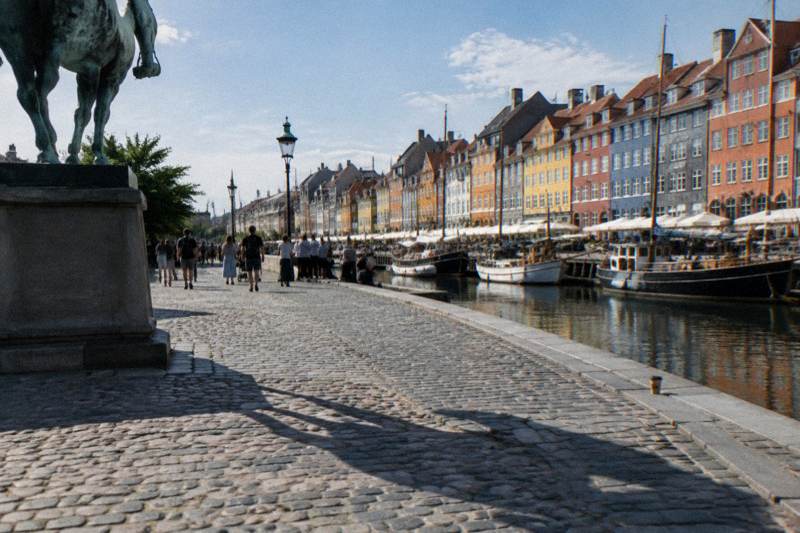
Copenhagen Public Transport Basics For Visitors: Tickets, Zones And Payment
Copenhagen runs on one ticket system across buses, metro and trains, and most of what a visitor needs sits inside two zones. Here is how the payment side works, what a ticket costs, and how the network connects the free walking tour meeting points.
Short answer
You pay for a Copenhagen bus with a ticket bought before boarding or with a contactless card, using the same tickets across buses, metro and trains. A single 2-zone ticket is commonly cited at around DKK 24, and a 24-hour City Pass costs DKK 100. Cash is not accepted on board, so plan on a card or a pre-purchased ticket.
Copenhagen's buses, metro and S-trains all run on a single ticket system, which is the single most useful thing to know before you board anything. One ticket, bought once, covers all three modes for the time and zones you paid for. The payment side is almost entirely card-based, the fare structure is zonal rather than per-ride, and the network happens to stop within a short walk of nearly every free walking tour meeting point in the city, which is the angle this guide takes. If you are working out how the free side of the city fits together, start with Free Things To Do In Copenhagen and use this page for the machinery underneath it.
How Do You Pay For A Bus In Copenhagen?
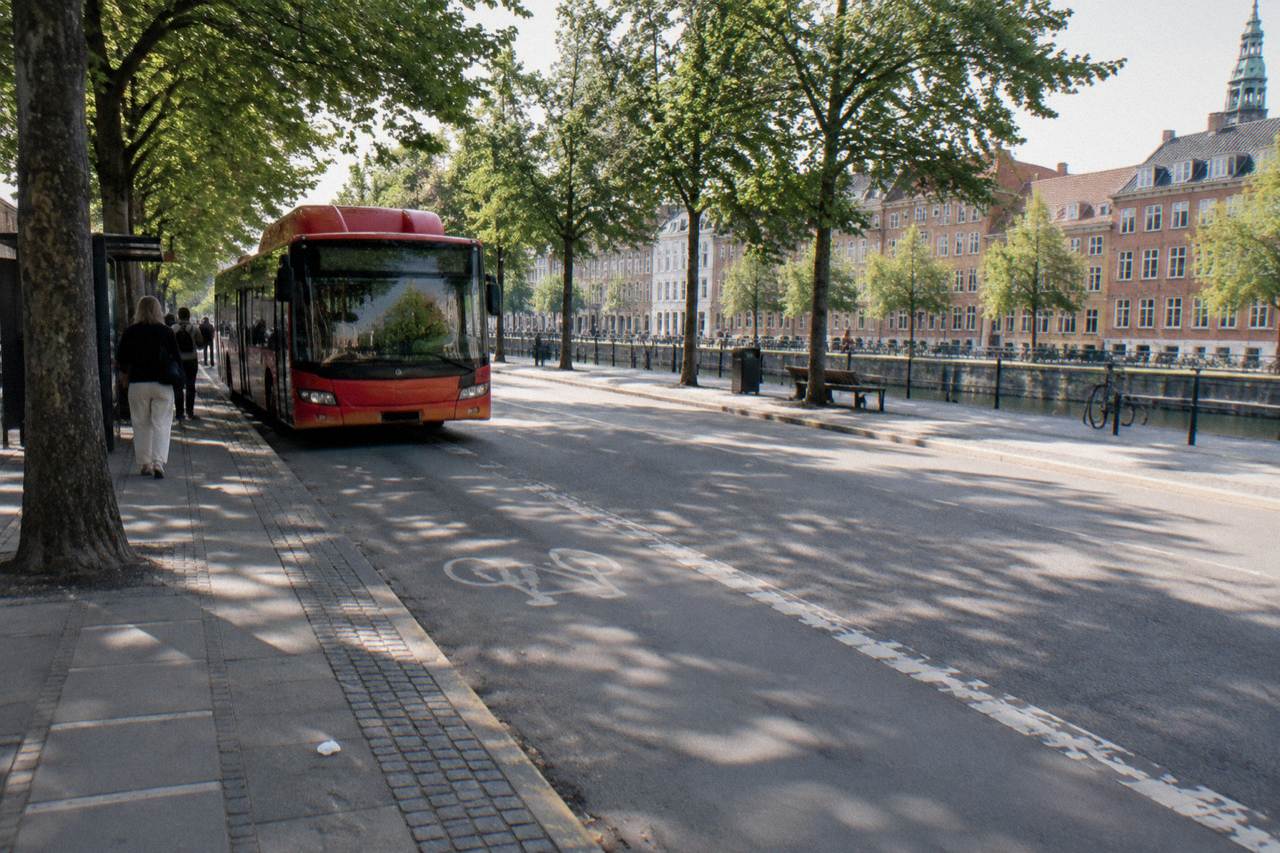
You pay with a card or a pre-bought ticket, never cash, and the same ticket works on the metro and S-trains. Copenhagen buses do not accept banknotes or coins at all, so the choice is a contactless payment, a ticket bought in a machine or app beforehand, or a pass already loaded. A single 2-zone ticket is commonly cited at around DKK 24.
The system is built around one principle: the ticket is tied to zones and time, not to a specific vehicle. That means you can ride a bus to a station, transfer to the metro, and finish on a train, all on the same 2-zone ticket as long as you stay inside the paid zone ring and the ticket's time window. There is no separate bus fare and no separate metro fare to compare. Visitors who come from cities where each operator charges separately often overthink this part.
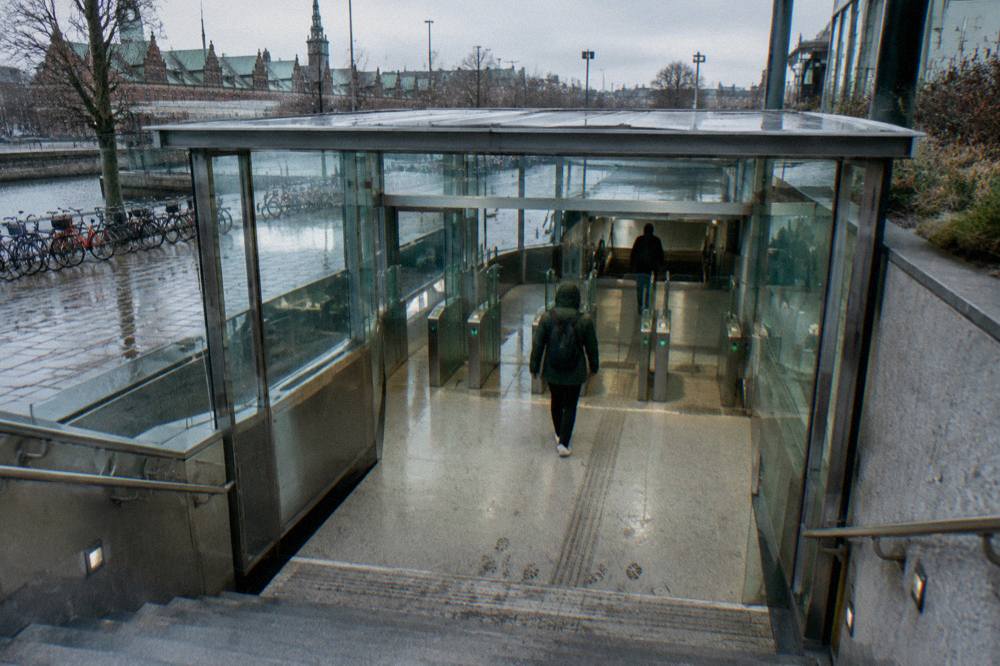
Payment happens in a few ways. Ticket machines sit at metro and train stations and accept common cards. The official transit authority app lets you buy and activate tickets on your phone before boarding. Contactless bank cards can be used directly at the metro gates and bus readers, with the fare charged to the card. Whichever route you take, the golden rule is that the ticket must exist before you step on. Inspectors do random checks, and riding without a valid ticket carries a fine regardless of whether you meant to pay.
One caution on the numbers: the single 2-zone fare figure of DKK 24 comes from a secondary information site rather than the transit authority's own fare page directly, so treat it as a close approximation and check the official source, dinoffentligetransport.dk, when you arrive. The 24-hour City Pass figure of DKK 100 is documented on that same official site. Fares change, and the honest move is confirming the current price at a station machine on day one rather than budgeting from a number you read weeks before travelling.
| Payment method | Where it works | What to know |
|---|---|---|
| Ticket machine | Metro and S-train stations | Cards accepted; buy before boarding the bus too |
| Transit app | Anywhere | Buy and activate before you board |
| Contactless bank card | Metro gates, bus readers | Charged per journey within your zones |
| City Pass | Buses, metro, S-trains | 24-hour pass, DKK 100, unlimited rides in the pass zones |
| Copenhagen Card | Buses, metro, S-trains plus attractions | 24-hour adult DKK 589; a sightseeing product, not a transit bargain |
What Tickets And Passes Can You Buy?
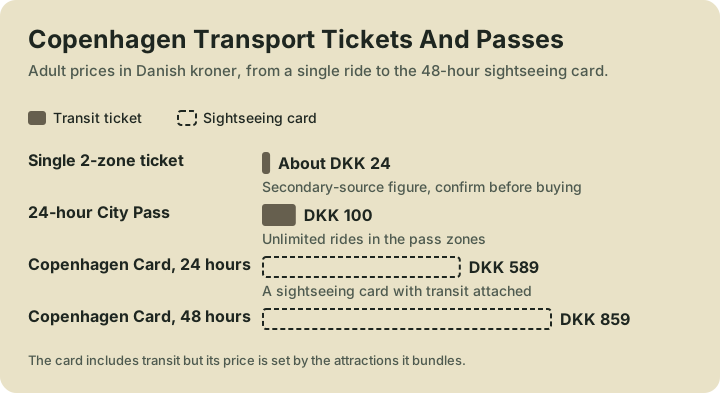
The core options are the single 2-zone ticket at around DKK 24, the 24-hour City Pass at DKK 100, and the Copenhagen Card at DKK 589 for 24 hours or DKK 859 for 48 hours. The single ticket suits one or two rides a day, the City Pass suits a heavy day of hopping between neighbourhoods, and the Copenhagen Card only makes sense if the bundled attractions, not the transport, justify the price.
Work the maths from your actual day, not from the sticker prices. If you are staying in the centre and walking between Nyhavn, the Strøget and the harbour baths, you may take two bus or metro rides in a whole day, which makes singles the cheap answer. If you plan to hit Indre By in the morning, Christianshavn after lunch and Vesterbro in the evening, three or more rides tip the balance toward the DKK 100 City Pass, which pays for itself quickly once you cross the centre more than a couple of times.
The Copenhagen Card is a different animal. Its transport inclusion is real, but the price, DKK 589 for 24 hours and DKK 859 for 48 hours per adult, is set by the attraction bundle it carries, per the official pricing page at copenhagencard.com/view/prices. It is worth running the numbers against the paid sights you actually want, and the guide is the Copenhagen Card worth it for a free trip does that arithmetic properly. As a pure transit purchase it is never the right call, since a single day of the card costs several times more than a City Pass covering the same rides.
There is a budget rhythm to a Copenhagen trip that pairs well with all this, and it is worth stating plainly: the city's free walking tours cost nothing up front. The 21 pooled walks across GuruWalk and freetour.com that this site catalogues are pay-what-you-want, so your transport ticket to the meeting point is often the only fixed cost of the morning. If you want the full picture of how the no-upfront-fee model works, the guide to how a free tour in Copenhagen works covers booking, tipping and group size.
Can You Buy A Ticket On The Bus Itself?
No, not with cash, and in practice you should treat boarding as something you do with a ticket already in hand. Copenhagen buses take contactless card payment at the reader, so a bank card works at the door, but there is no cash option and no way to pay the driver in notes or coins. The safest habit is buying in the app or at a machine before the bus arrives, then tapping or showing on boarding.
The contactless reader on the bus is the closest thing to buying on board. You tap your bank card when you enter, the fare is registered to that card, and transfers within the ticket's validity are matched automatically. It works well, but it depends on your card behaving, your bank not flagging foreign transit charges, and the reader being online, so travellers who prefer certainty still buy in advance. The app route also lets you buy for a partner or child on one phone, which contactless does not handle as neatly.
Visitors sometimes assume a day pass bought at the airport covers everything forever after. It covers the zones printed on it, for the window printed on it, and nothing more. Check the zone ring when you buy, because a pass valid in the central zones will not carry you to a distant excursion without an extension, and inspectors do not accept confusion as a defence.
A related question people ask constantly is whether the metro is free, usually after hearing that Copenhagen has an unusually generous free-attraction scene. It is not: the metro runs on exactly the same zonal tickets as the buses. The blog post is the metro free in Copenhagen untangles that confusion, and the short answer is that free in Copenhagen applies to museums, parks, harbours and walking tours, not to rail travel.
How Do The Zones Change What You Pay?
Copenhagen's fare is set by how many zone rings you cross, not by distance in kilometres or by mode. A 2-zone ticket covers the central area where most visitors spend their whole trip, and it costs the same whether you ride one stop on a bus or transfer across the centre by metro and train. Longer trips, including the airport run, need more zones and cost more.
The practical consequence is simple: once you know your zones, you can ignore the mode entirely. A bus ride across the centre and a metro ride across the centre cost the same. That is why the earlier advice about passes holds regardless of whether your day is bus-heavy or metro-heavy. The zone map is posted at every station and shown in the app, and the central tourist belt, from Indre By out to the inner neighbourhoods, sits within the two-zone span that the standard single covers.
Where zones bite is at the edges. The airport, coastal excursions and trips out to Humlebæk-style distances all cross additional rings, and a ticket bought for the centre will not cover them. The habit worth building is a ten-second zone check whenever your destination leaves the familiar centre, because it is the one mistake that reliably produces fines or surprise extension purchases at the platform.
| Trip type | Zones needed | What it means for your ticket |
|---|---|---|
| Central wandering, Indre By to Christianshavn | 2 zones | Standard single covers it, any mode |
| Indre By to Vesterbro | 2 zones | Same single, no extension needed |
| Airport to the centre | More than the central rings | Buy the wider ticket before boarding |
| Coastal or far-north excursions | Additional rings | Check the zone map at the station first |
Which Stations Serve The Free Walking Tour Meeting Points?
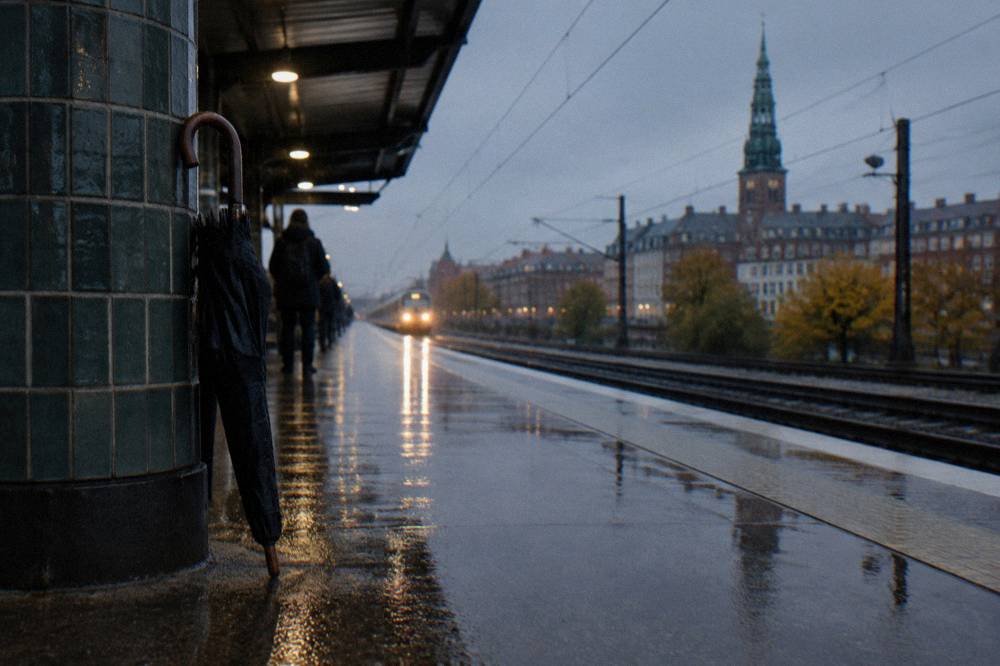
Almost every free walking tour in Copenhagen meets within a five-minute walk of a metro or S-train station, and most cluster around three hubs: Rådhuspladsen by City Hall, Gammel Strand, and Kongens Nytorv. The Grand Tour meets at Københavns Rådhus on Rådhuspladsen, the Comedy Walk meets at Gammel Strand 26, and the Nordic Freedom Tours city walk meets at Kongens Nytorv 11A, all reachable on a single central ticket.
This is where transport planning and free-tour planning merge. The meeting points were chosen by guides precisely because they are easy to reach, so your job is only to know which hub your chosen walk uses and which station serves it. The blog post on where Copenhagen free walking tours meet lists the full set of points in detail, but the pattern is stable across the roster.
| Walk | Platform | Meeting point | Nearest transit logic |
|---|---|---|---|
| Grand Tour, English and Spanish | GuruWalk | Rådhuspladsen 1, City Hall | Central square, bus and metro hub |
| Comedy Walk in English | GuruWalk | Gammel Strand 26 | Waterfront street in the old centre |
| Nordic Freedom Tours City Walk | GuruWalk | Kongens Nytorv 11A | Square at the end of the Strøget |
| Historic Center Walk, Map Included | GuruWalk | City Hall | Same hub as the Grand Tour |
| Politically Incorrect Hippies Walk | GuruWalk | Havnegade 54 | Harbour edge near the inner city |
| Working-Class Vesterbro Walk | GuruWalk | Hovedbanegården | Copenhagen Central Station itself |
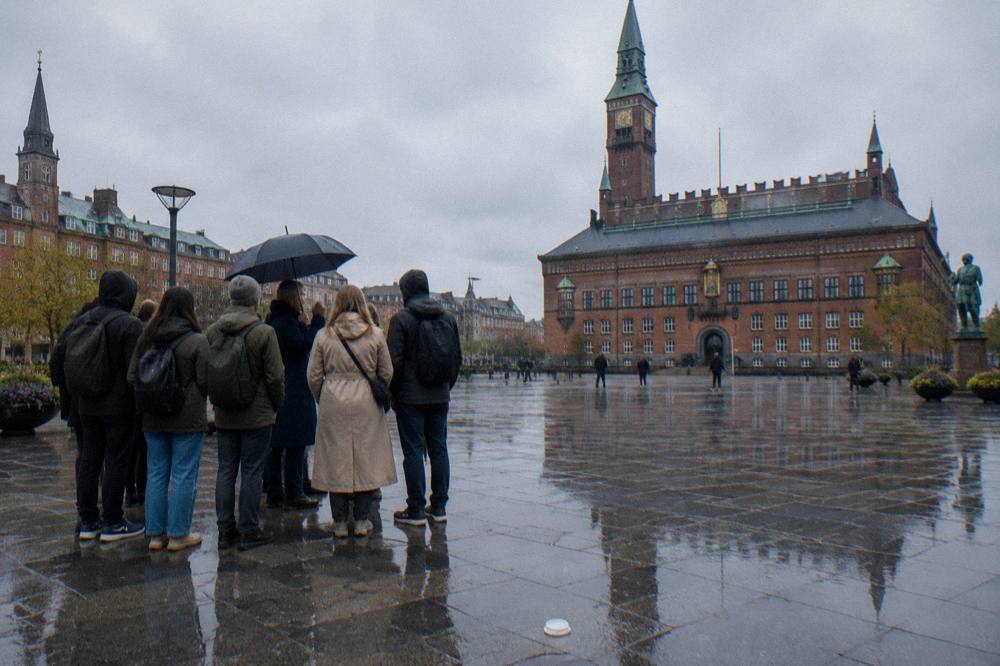
The Grand Tour is the clearest example of how convenient this network is. It meets at Københavns Rådhus, Rådhuspladsen 1, which is one of the most connected spots in the city, runs 2 hours and 30 minutes in English and Spanish, and is rated 4.82 out of 5 across 2,538 GuruWalk reviews. You can reach the square from almost anywhere in the centre on a single ticket, and the walk's route loops through Indre By's free sights afterwards, so the transport outlay for the whole morning is one fare each way. The Grand Tour page has the meeting details and current schedule.
The Comedy Walk shows the second pattern: a meeting point that trades a transport hub for atmosphere. Gammel Strand 26 is a waterfront street in the old centre, a short walk from a metro station rather than on top of one, and the walk runs about 2 hours in English, rated 4.82 out of 5 across 1,863 GuruWalk reviews. Because it starts inside the pedestrian-friendly core, many visitors staying in Indre By simply walk there and save the fare entirely, which is its own kind of transport planning.
Is The Copenhagen Card Worth It For Getting Around?
As transport alone, no, not close. The card's 24-hour adult price of DKK 589 or 48-hour price of DKK 859 includes transit, but a 24-hour City Pass at DKK 100 already covers unlimited central rides, so the card's premium has to be earned by the attractions it bundles. If your itinerary is built around free museums and walking tours, the card is nearly impossible to justify on transit grounds.
The honest framing is that the Copenhagen Card is a sightseeing pass with transit attached, and the pricing reflects that. The official prices page at copenhagencard.com/view/prices lists the tiers, and the paid attractions bundled with it are the same ones this site's facts file tracks as ticketed: the Round Tower at DKK 60, Christiansborg's state rooms at DKK 150 at the door, the National Museum at DKK 150, the National Gallery at DKK 140, Rosenborg's interior at DKK 140 online. Stack enough of those in two days and the card can pay off. Stack mostly free sights, and it cannot.

For a budget built around the free side of the city, the better arithmetic is almost always the City Pass plus individual tickets for the two or three paid interiors you genuinely care about. The free list is deep: the David Collection, the Black Diamond's foyer, Kastellet, the harbour baths, Christiansborg's tower viewing platform and the changing of the guard at Amalienborg all cost nothing, and none of them needs a card to enter. That is the real reason the card underperforms here, not any flaw in the card itself.
What About Bikes, Harbour Buses And Walking Between Neighbourhoods?
Copenhagen is compact enough that walking and cycling replace a surprising share of transit trips, and the inner neighbourhoods this site covers, Indre By, Christianshavn and Vesterbro, sit close enough together that a 2-zone ticket is often unnecessary at all. Bikes are the local default, the harbour buses are part of the regular ticket system rather than a tourist cruise, and the free walking tours themselves are a form of transport, moving you through a neighbourhood while explaining it.
The walking-tour-as-transport idea deserves more credit than it gets. A 2-hour or 3-hour guided walk covers the distance between a neighbourhood's highlights on foot, at a pace that suits photography, with a local explaining what you pass. The 3-Hour Hygge Experience is the longest example on the roster: it meets at the City Hall, runs 3 hours in English, Spanish or Italian, and is rated 4.66 out of 5 across 2,132 GuruWalk reviews. Three hours of guided movement through the centre is three hours you would otherwise spend on your own navigation, and it costs nothing until you tip.
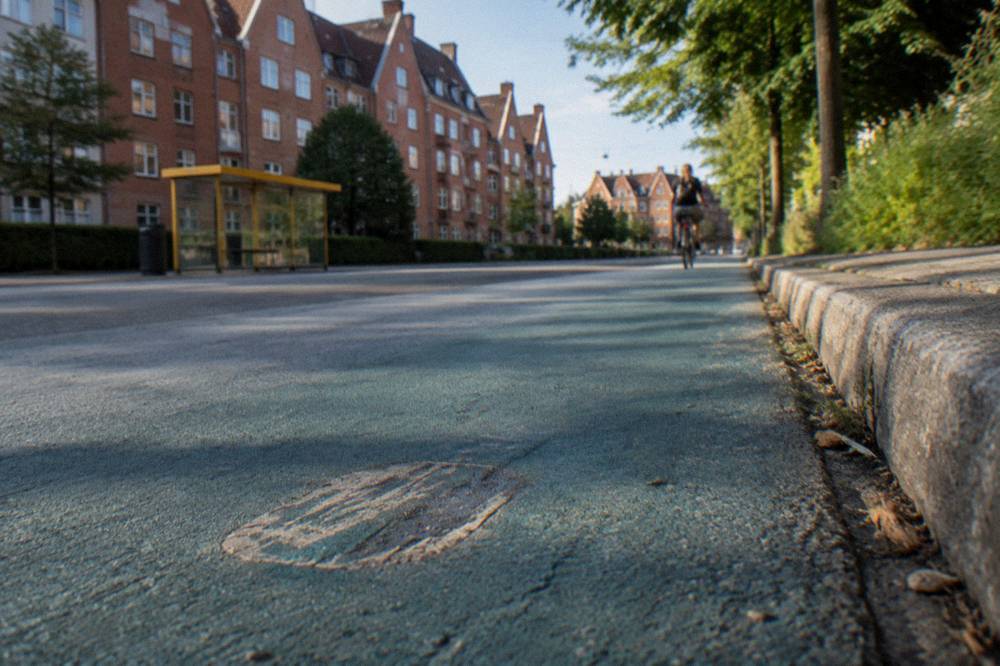
Cycling is the other half of the answer. Copenhagen's cycle lanes are famously separated from traffic, bike hire is widely available, and the distances between the three neighbourhoods this guide cares about are short by the standards of any capital. Vesterbro to Indre By is a few minutes of pedalling. Indre By to Christianshavn across the harbour bridges is similar. If your trip is more than three days, a bike often beats any pass on both cost and flexibility.
The harbour buses are worth a specific mention because visitors misunderstand them. They are ordinary public transport vessels on the inner harbour, covered by the same zonal tickets as buses and metro, not a sightseeing cruise with a separate price. Riding one across the harbour gives you the water view for the cost of a standard ticket, which makes it one of the better-value rides in the city for anyone whose pass is already loaded.
What Mistakes Do Visitors Make With Copenhagen Transport?
The recurring errors are paying with cash expectations, buying the wrong zone count for airport trips, treating the Copenhagen Card as a transit pass, and standing at the wrong meeting-point hub for a booked walk. All four are avoidable with a five-minute plan on arrival: confirm the fares on the official site, buy tickets in the app or at a machine, check zones before any edge-of-city trip, and read your walk's meeting address the night before.
The cash mistake is fading as card payments become universal, but it still catches people whose home transit systems take notes. Copenhagen buses do not, and no amount of explaining at the door changes that. The zone mistake is more expensive, because an under-zoned ticket looks valid, scans fine, and then fails an inspection with a fine attached. The airport is the classic case, since it sits outside the central rings and needs a wider ticket than a day of city wandering.
The meeting-point mistake is the one this guide can actually eliminate. Walks on the roster meet at specific addresses, Rådhuspladsen for the Grand Tour and the Historic Center Walk, Gammel Strand for the Comedy Walk, Kongens Nytorv for the Nordic Freedom Tours city walk, Hovedbanegården for the Vesterbro walk, and guides wait only through a short grace window. Arriving at the right square ten minutes early costs you nothing; arriving at the wrong square costs you the walk.
| Mistake | Why it happens | The fix |
|---|---|---|
| Expecting to pay cash on the bus | Home systems still take notes | Tap a contactless card or buy in the app first |
| Under-zoned ticket to the airport | Central pass assumed to cover everything | Check the zone map before any edge-of-city trip |
| Buying the Copenhagen Card for transport alone | Transit inclusion sounds generous | Compare it to the DKK 100 City Pass first |
| Wrong meeting-point hub | Similar square names, unread booking details | Read the meeting address the night before |
Tipping is the last piece of the money picture, since a free walk still ends with a payment moment. The etiquette and typical amounts are covered in the blog post on how much to tip a free walking tour guide in Copenhagen, and the short version is that the tip is how the guide earns, so budget it as a real cost of the morning rather than an optional extra. Between a DKK 100 City Pass and fair tips, a full day of guided wandering in Copenhagen costs less than a single museum in many capitals.
Common Questions About Copenhagen Public Transport
How do you pay for a bus in Copenhagen?
With a contactless bank card at the reader, or with a ticket bought in advance from a station machine or the transit app. Cash is not accepted on Copenhagen buses at all, and the same zonal ticket covers the metro and S-trains, so one purchase handles your whole journey.
Can you buy a ticket on the bus itself?
Only in the contactless sense: you can tap a bank card at the door, but there is no cash option and no ticket sale by the driver. Buying in the app or at a machine before boarding is the reliable habit, especially if you are travelling with others on one phone.
How much does a single ticket cost?
A single 2-zone ticket is commonly cited at around DKK 24, though that figure comes from a secondary source, so confirm it on the official dinoffentligetransport.dk site or at a station machine. A 24-hour City Pass costs DKK 100, and the Copenhagen Card runs DKK 589 for 24 hours or DKK 859 for 48 hours.
Is the Copenhagen Card worth it for getting around?
Not as transport alone. A DKK 100 City Pass already covers unlimited central rides, so the card's much higher price has to be justified by the paid attractions it bundles. If your itinerary leans on free museums, parks and walking tours, the card rarely pays for itself.
Which stations serve the free walking tour meeting points?
The main hubs are Rådhuspladsen by City Hall, Gammel Strand, and Kongens Nytorv. The Grand Tour and the Historic Center Walk meet at City Hall, the Comedy Walk meets at Gammel Strand 26, and the Nordic Freedom Tours city walk meets at Kongens Nytorv 11A, all reachable on a single central ticket.