Is Copenhagen Safe For Tourists?
A practical safety guide to Copenhagen for tourists, covering Christianshavn, Indre By and Vesterbro, Christiania etiquette, transit, money and the free walking tours that help you get oriented.
Is Copenhagen Safe For Tourists?
Yes, Copenhagen is widely regarded as a safe city for tourists, with low levels of violent crime, a well-lit and walkable centre, and a public transport network that runs reliably late into the evening. The main things visitors actually need to think about are bicycle traffic, pickpocketing in crowded spots like Nyhavn, and following the specific local rules that apply inside Freetown Christiania.
That answer comes with a caveat worth stating plainly: this site publishes researched reporting, not personal travel logs. Nobody connected with Free Things To Do In Copenhagen has joined a tour or stood on these streets. What follows is built from the site's verified attraction data, the tour listings themselves, and the practical realities of how the city is organised.
Copenhagen's layout helps its safety record. The medieval core of Indre By is compact enough that most visitors walk everywhere, and the areas tourists actually spend time in, Indre By, Christianshavn, Nyhavn and the harbour front, are busy through the day and well used into the night. The city's cycling culture means the streets are full of locals going about ordinary business at almost all hours, which is itself a form of informal policing.
The one part of the city where the question changes shape is Freetown Christiania, the self-governing district in Christianshavn. It is free to walk in and thousands of tourists do so every year, but it has its own rules, particularly around photography on Pusher Street, and those rules are covered in detail further down this page. For a full primer, see the site's guide to Christiania and what to know first.
If you want a safe, low-cost way to get oriented on day one, a free walking tour is hard to beat: a local guide walks you through the centre, points out the areas worth knowing, and you pay what you think the walk was worth at the end. Here are three of the strongest options on the roster.
Which Copenhagen Neighbourhoods Should Tourists Know About?
The three neighbourhoods most visitors move between are Indre By (the medieval centre), Christianshavn (the canal district across the water, home to Christiania), and Vesterbro (the former workers' district behind the central station). All three are considered safe for tourists, with Vesterbro carrying the most caveats around its red-light past, and Christianshavn requiring awareness of Christiania's specific rules rather than any general crime concern.
Each of these has its own character, and the safety picture differs more between them than a generic "Copenhagen is safe" summary suggests. The table below gives the honest version.
| Neighbourhood | Character | Safety notes for tourists |
|---|---|---|
| Indre By | Medieval core, Strøget, City Hall, most major sights | Busy day and night, very walkable, watch for bicycles and pickpockets at peak times |
| Christianshavn | Canals, historic houses, Freetown Christiania | Safe and residential, but Christiania has its own rules, especially on Pusher Street |
| Vesterbro | Former industrial and red-light district, now trendy | Gentrified but retains some late-night edge around the station and Istedgade |
| Nyhavn | Postcard harbour front | Crowded, the classic spot for opportunistic theft, keep bags closed |
| Nørrebro | Multicultural, young, Superkilen park | Generally fine, normal city awareness applies |
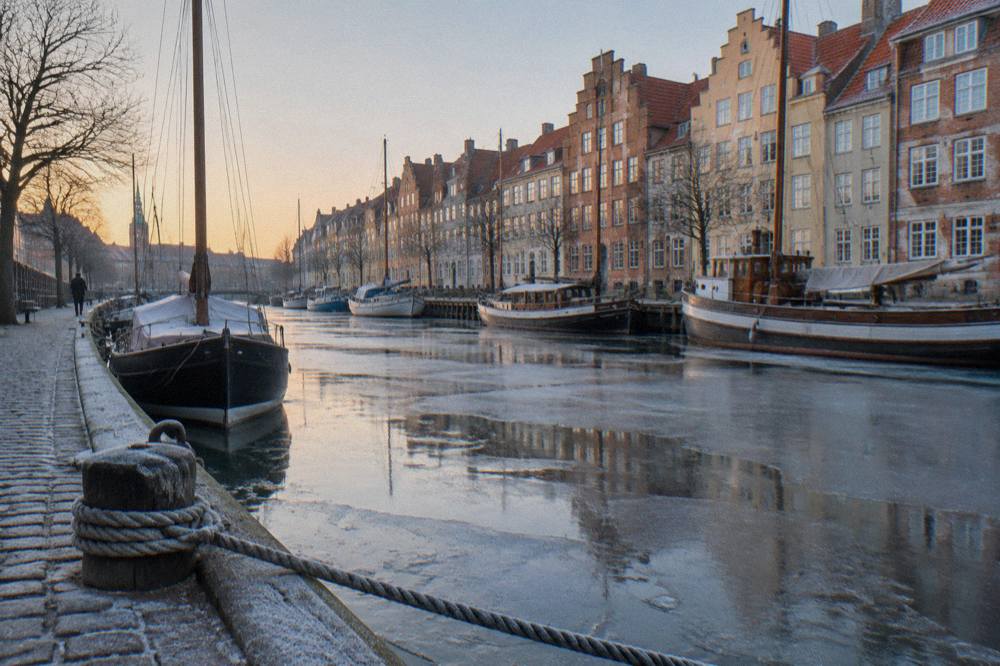
Vesterbro deserves the honest note rather than the airbrushed one. It was the city's red-light district for decades, and while the breweries and workers' housing have given way to cafés and the Carlsberg Byen district, the streets immediately around Hovedbanegården, the central station, still see late-night foot traffic of the kind any major station district does. The site's Vesterbro free things guide covers what is actually worth doing there, including a free walking tour of the district's working-class history.
Christianshavn is the quietest of the three, a low-rise canal neighbourhood that feels more like a village than a capital district. Its safety story is almost entirely the story of Christiania, which is a rules question rather than a danger question, and that gets its own section below.
If you are weighing up where to base yourself, the site's neighbourhood overview guide compares all the main districts on price, atmosphere and convenience.
Is Christianshavn And Christiania Safe To Visit?
Christianshavn itself is safe and residential, and Christiania is free to walk into and visited by huge numbers of tourists each year, but Christiania is not an ordinary neighbourhood: photography is prohibited on Pusher Street, the area has its own community rules, and visitors are expected to follow them. Treat it as a place with local laws rather than a danger zone, and it is a genuinely interesting free thing to do.
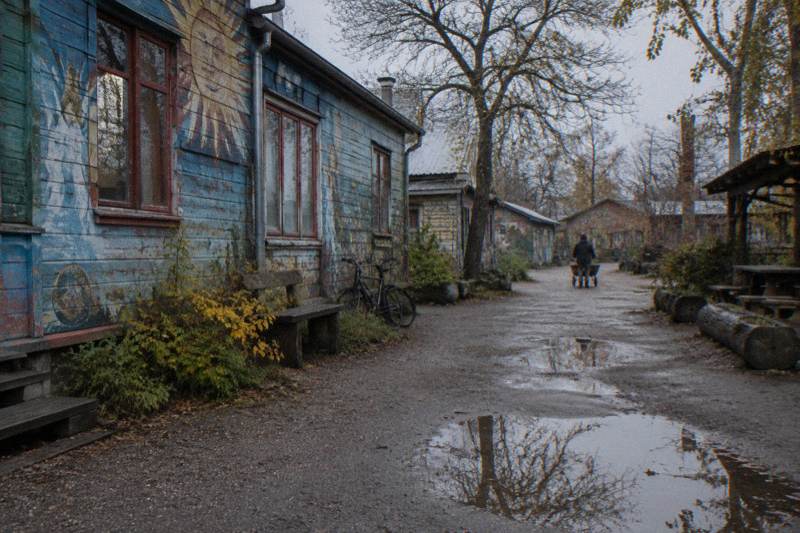
The distinction matters because a lot of online advice flattens it. Christiania is a self-governing community, established when squatters took over a disused military base, and it still operates with its own internal agreements. The residential lanes, the colourful handmade houses and the workshops are open and welcoming. Pusher Street, the central strip where cannabis was openly sold for decades, is the sensitive zone: the community itself asks visitors not to photograph there, and the rule is enforced socially. The site's Pusher Street rules guide covers the specifics. One of the free walking routes passes through here: Christianshavn In Spanish.
For tourists who want the area explained rather than just walked through, a local guide makes a real difference. The Politically Incorrect Hippies Walk, listed on GuruWalk, is a 1 hour 30 minute English-language walk through Christianshavn and the boundary of Christiania, rated 4.74 out of 5 across 393 GuruWalk reviews. Reviewers describe a guide who is candid about the district's contradictions, its hippie origins, its modern tensions and its relationship with the rest of the city. It meets at Havnegade 54 and it is pay what you want, which keeps the decision low-risk: if the walk does not land for you, you are not locked into a fixed ticket price.
The broader question of what Christiania is actually like today, and whether it is still a functioning commune, is answered in the site's piece on what Christiania is like now. The short version: it is a real, lived-in community with a visitor economy attached, and the respectful visitor sees far more of it than the nervous one.
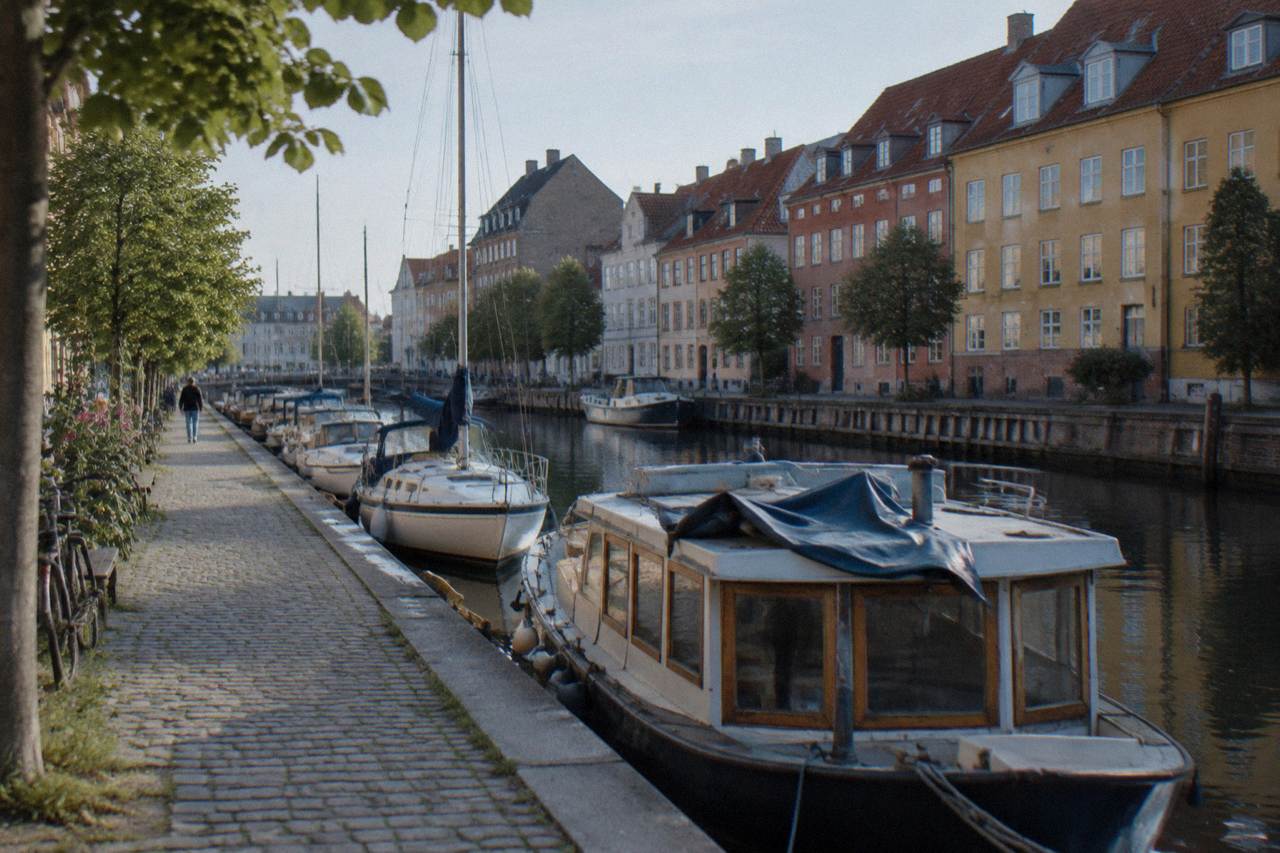
Outside Christiania, Christianshavn's safety picture is unremarkable in the best way. The canals, the Church of Our Saviour (free to enter, with the spire climb ticketed at around DKK 70) and the quiet lanes of the old naval district are all straightforward, pleasant walking territory. The site's Christianshavn free things guide lists what to see without spending anything.
Is Indre By Safe For First-Time Visitors?
Indre By is the safest-feeling part of Copenhagen for tourists: it is dense, busy, walkable end to end in under half an hour, and packed with the sights most visitors come for, including the Round Tower, the cathedral, Strøget and the City Hall square. The realistic risks are bicycle collisions, because the pedestrian and cycling space is not always clearly separated, and pickpocketing in the crowds around Strøget and Nyhavn.
The bicycle point is worth a paragraph of its own, because it catches more visitors than crime ever does. Copenhagen's cycle lanes are serious infrastructure, often raised and running between the pavement and the road, and locals ride them at speed. Step backward off a kerb while looking at your phone and you are more likely to be clipped by a commuter than robbed. The habit that fixes it is simple: check the cycle lane before you step, the same way you would check traffic before crossing a road.
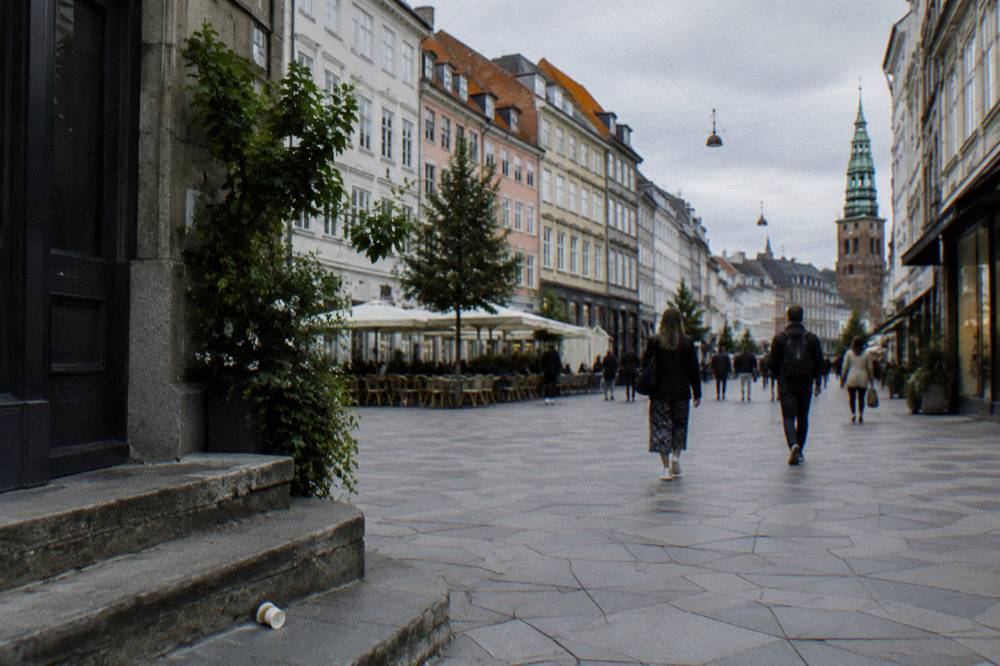
Otherwise Indre By is a place where the standard advice is mostly about comfort rather than safety. It is busy, hotel-dense and full of other tourists, which cuts both ways: it feels safe at night, but the crowds around Strøget and the Nyhavn waterfront are where opportunistic theft happens. The site's Nyhavn guide covers the harbour area, which is free to visit and worth seeing early in the morning before the crowds build.
A walking tour is a sensible first move here too, because the medieval street plan is genuinely confusing on a first visit. The Grand Tour, English and Spanish, listed on GuruWalk, is a 2 hour 30 minute walk rated 4.82 out of 5 across 2,538 GuruWalk reviews, meeting at Rådhuspladsen outside City Hall. It covers the historic centre's main sights, and like every walk on this site's roster it is pay what you want, so there is no upfront ticket at risk if plans change.
For a deeper dive into the district, the site's Indre By walking guide lays out a self-guided route past the free sights, including the free viewing platform at the Christiansborg Palace Tower, the David Collection (one of the city's genuinely free museums) and the Royal Danish Library's Black Diamond building, whose foyer is free to enter.
Is Vesterbro Safe At Night?
Vesterbro is safe by the standards of any big-city station district, but it is the one neighbourhood on the tourist circuit where the honest answer includes caveats: the streets around the central station and the lower end of Istedgade retain a late-night red-light legacy, and visitors should apply normal urban awareness there after dark rather than the relaxed guard they can afford in Indre By.
The context matters. Vesterbro was Copenhagen's working-class and red-light district for most of the last century, and the Working-Class Vesterbro walk on GuruWalk, rated 4.81 out of 5 across 27 GuruWalk reviews, is built around exactly that history, the industrial era, the former red-light streets and the district's transformation. Today the area around Istedgade is one of the city's best food and bar streets, and the Carlsberg Byen district, free to walk around, sits on the old brewery grounds. The paid Visit Carlsberg experience is ticketed, with the exact current price unresolved in this site's research, so check the operator's own page before planning a visit.
What that means practically: by day Vesterbro is entirely ordinary, full of families, cafés and the Meatpacking District's restaurants. After midnight, the blocks nearest the station behave like any major European station quarter, a mix of late bars, night buses and people who have been drinking. Nothing about that is unique to Copenhagen, and none of it is a reason to avoid the area, it is simply the part of the city where "keep your wits about you" is the correct setting rather than paranoia.
What Should You Watch Out For In Copenhagen?
The realistic tourist risks in Copenhagen are bicycle traffic, pickpocketing in crowded areas, and the cost of accidentally walking into a paid attraction expecting it to be free. Violent crime against tourists is rare, and the city's main "hazards" are mundane ones: cycle lanes, cold harbour water and prices that catch out visitors who assumed a museum or castle interior was included in the free exterior view.
The pickpocketing point needs proportion. Copenhagen is not a city where tourists routinely lose belongings, but the crowded stretches of Strøget, the Nyhavn waterfront and the queues outside major attractions are where it happens when it happens. A closed bag and a pocket that is not on the Strøget side of your body covers almost all of it.
The "free exterior, paid interior" trap is specific to this city and worth its own table, because several of Copenhagen's most photographed structures follow the pattern.
| Attraction | Free part | Paid part |
|---|---|---|
| Church of Our Saviour | Interior | Spire climb, around DKK 70 |
| Frederik's Church (Marmorkirken) | Interior | Dome climb, around DKK 50 |
| CopenHill | Rooftop hiking trail | Ski and snowboard slope, price unresolved |
| Carlsberg Byen | Walking the district | Visit Carlsberg experience, price unresolved |
| Christiansborg Palace | Tower viewing platform | State rooms, DKK 150 at the door or 140 online |
| Rosenborg Castle | Gardens (Kongens Have) | Castle interior, DKK 140 online or 150 at the door |
None of this is a safety issue in the conventional sense, but a visitor who budgets for "everything is free here" and then faces a DKK 150 door price at three museums in a row is having a worse day than one who checked first. The site's free museums guide separates the genuinely free museums, like the David Collection, from the conditional and paid ones.
How Do You Get Around Copenhagen Safely?
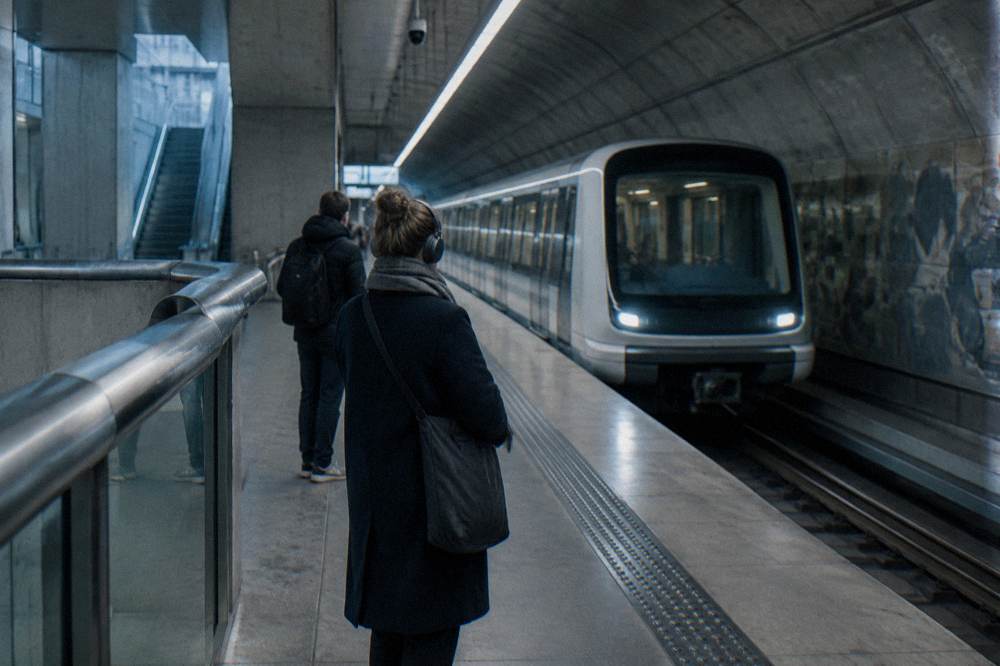
Copenhagen's public transport is safe, frequent and easy to use, with a metro that runs 24 hours, and the city is flat enough that walking and cycling cover most tourist needs. The main safety-relevant facts are practical: buy the right ticket before you board, the 24-hour City Pass costs DKK 100, and remember that the Copenhagen Card is a paid sightseeing product, not a transit pass you need to move around.
The metro's 24-hour service is the single most useful safety fact for late evenings, because it removes the "last train" anxiety that shapes nights out in many cities. The 24-hour City Pass at DKK 100 covers the zones most tourists need, per the official fares source at dinoffentligetransport.dk. A single 2-zone ticket is commonly cited at around DKK 24, though that figure comes from a secondary source rather than the transit authority's own page, so treat it as approximate.
Cycling is the other main mode, and it is safe in the sense that the infrastructure is excellent, but only once you know the local conventions. Copenhagen's cycle lanes are wide, fast and law-abiding, and the fastest way to have a bad experience is to ride a rental bike on the pavement, against the flow, or through a red light that every other cyclist is observing. The site's public transport basics guide covers tickets, zones and the metro network in full.
On foot, the city rewards walking above everything else. The distances between Indre By, Christianshavn and Vesterbro are short, the harbour paths are continuous and pleasant, and the free sights are dense enough that a day on foot costs nothing but shoe leather. Walking is also the mode where you notice how safe the city feels, which is worth something in itself.
Do You Need To Worry About Money And Scams In Copenhagen?
Copenhagen has very little of the scam economy that defines tourist safety in southern Europe: no aggressive street sellers, no fake petitions, no restaurant bill surprises worth warning about. The money questions tourists actually face are tipping on pay-what-you-want walking tours, budgeting for a city where prices are high by most visitors' standards, and not mistaking the paid Copenhagen Card for a free-entry scheme.
The tipping question is specific and it comes up constantly, because the free walking tours on this site's roster are tip-funded. The etiquette is simple: you pay what you think the walk was worth at the end, in cash or increasingly via the app, and the site's tipping and money basics guide covers the figures and the norms in detail. There is no obligation and no minimum, but a walk you enjoyed and tipped nothing for is a walk the guide effectively gave away.
The Copenhagen Card deserves the honest framing. It is a paid product, DKK 589 for 24 hours adult and DKK 859 for 48 hours per the official pricing page at copenhagencard.com, and whether it pays for itself depends entirely on how many paid attractions you stack into a day. Nothing on this site is "free with the Copenhagen Card", because the card itself costs money. The site's Copenhagen Card analysis runs the numbers against a free-first itinerary.
The cost question, whether Copenhagen is expensive, is answered honestly elsewhere on the site, and the short version is that a visit built around the 25 unconditionally free attractions, the harbour baths, the parks and the pay-what-you-want walks is a genuinely affordable one. Safety and cost converge here: the city's best experiences, walking the harbour, the gardens, the free museums on their free days, carry no price tag and no risk.
For anyone who likes to see the options side by side before deciding how to spend a first day, the pay-what-you-want walks that cover the areas this page has discussed stack up as follows.
| Walk | Platform | Duration | Rating and reviews |
|---|---|---|---|
| Politically Incorrect Hippies Walk | GuruWalk | 1 hour and 30 minutes | 4.74 out of 5 across 393 reviews |
| Grand Tour, English and Spanish | GuruWalk | 2 hours and 30 minutes | 4.82 out of 5 across 2,538 reviews |
| Comedy Walk in English | GuruWalk | 2 hours | 4.82 out of 5 across 1,863 reviews |
| 3-Hour Hygge Experience | GuruWalk | 3 hours | 4.66 out of 5 across 2,132 reviews |
| Working-Class Vesterbro, Red-Light Past | GuruWalk | 1 hour and 30 minutes | 4.81 out of 5 across 27 reviews |
All of them are pay what you want, all meet in busy public locations in daylight hours, and none carries an upfront ticket, which is about as low-risk as a tourist activity gets. By way of a closing suggestion for anyone who wants the city explained rather than just survived, here are three more of the roster's strongest walks.
Common Questions About Copenhagen Safety
Is Copenhagen Safe For Tourists?
Yes. Copenhagen is widely regarded as one of Europe's safest capitals for visitors, with low violent crime, reliable 24-hour public transport and busy, walkable central districts. The realistic concerns are bicycle traffic, pickpocketing in crowded spots, and following the specific rules that apply inside Freetown Christiania.
Is Christiania Dangerous For Tourists?
Christiania is not dangerous in the violent-crime sense, and thousands of tourists walk through it every year for free. It is, however, a self-governing community with its own rules, the most important being that photography is prohibited on Pusher Street. Follow the local rules and it is an interesting, safe place to visit.
Is Vesterbro Safe At Night?
Vesterbro is safe by big-city station-district standards, but the streets around Hovedbanegården and the lower end of Istedgade retain a late-night edge from their red-light past. Normal urban awareness after dark is the right setting, while by day the district is entirely ordinary and family-friendly.
What Is The Biggest Safety Risk For Tourists In Copenhagen?
Bicycles, not criminals. Copenhagen's cycle lanes are fast, raised and heavily used, and stepping into one without looking is the most common way visitors get hurt. Check the cycle lane before stepping off any kerb, the same way you would check for traffic.
Is Copenhagen Public Transport Safe Late At Night?
Yes. The metro runs 24 hours, buses and trains are frequent, and stations are well-lit and used by ordinary commuters at all hours. A 24-hour City Pass costs DKK 100, so there is no need to walk long distances late at night to save a fare.
Are Free Walking Tours In Copenhagen Safe To Join?
Yes. The walks on this site's roster are run by independent local guides and listed on GuruWalk and freetour.com, meeting in busy central locations in daylight hours. They are pay what you want, so there is no upfront payment at risk, and the meeting points are all well-trafficked public squares or station addresses.